
How to Protect Xeriscape Beds Near Foundations and Hardscapes
How to Protect Xeriscape Beds Near Foundations and Hardscapes: To protect xeriscape beds near foundations and hardscapes, use an 18 to 24 inch buffer…
Read MoreXeriscaping
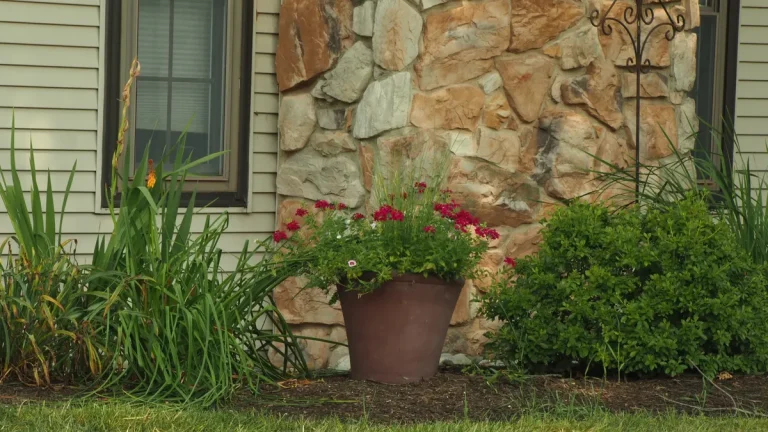
How to Protect Xeriscape Beds Near Foundations and Hardscapes: To protect xeriscape beds near foundations and hardscapes, use an 18 to 24 inch buffer…
Read More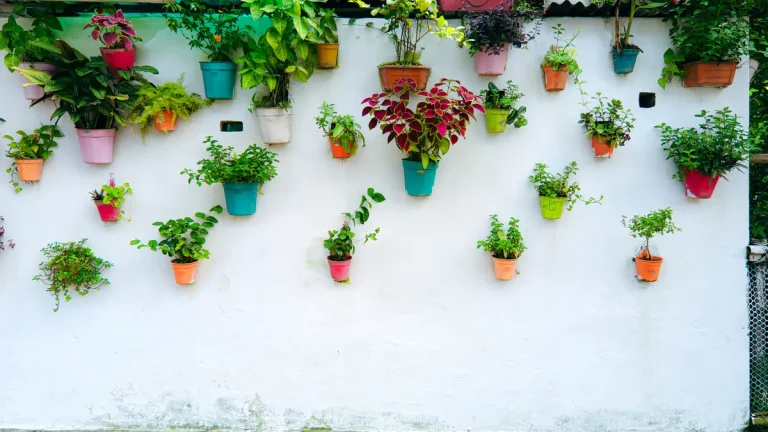
How to Keep Xeriscape Plants Alive on Hot Retaining Walls: Keep xeriscape plants alive on hot retaining walls by matching the plant to the pocket depth…
Read More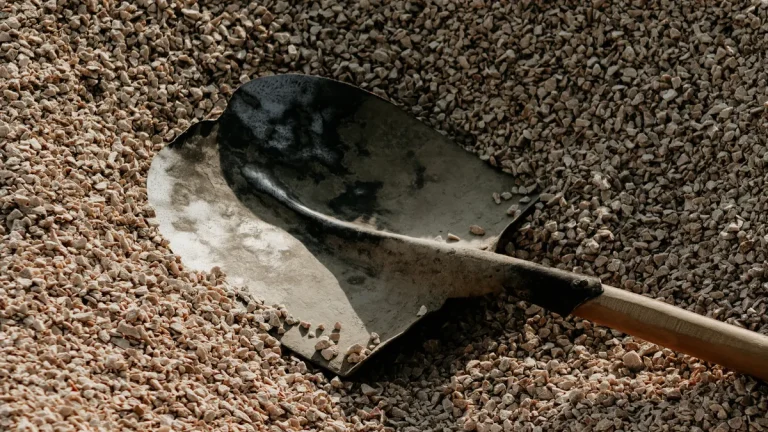
In How to Improve Rocky or Compacted Soil for Xeriscaping, loosen the top 6 to 8 inches, remove the worst stones, and add a modest compost layer only…
Read More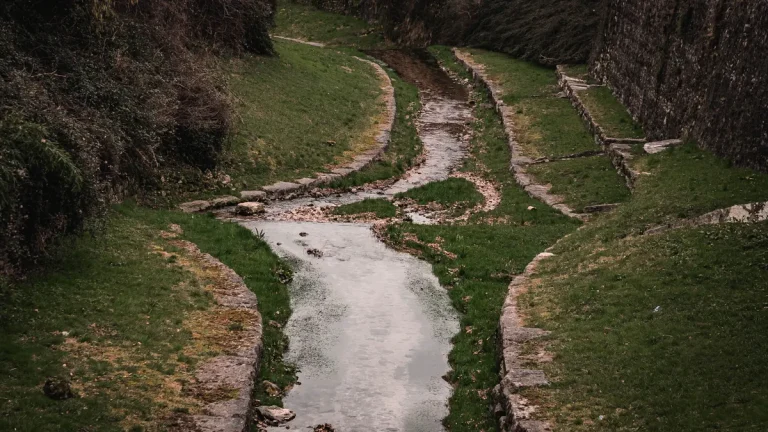
A dry creek bed usually works best when it has one defined inlet, one clear outlet, and a planned overflow path, with larger rock at the inlet and smaller…
Read More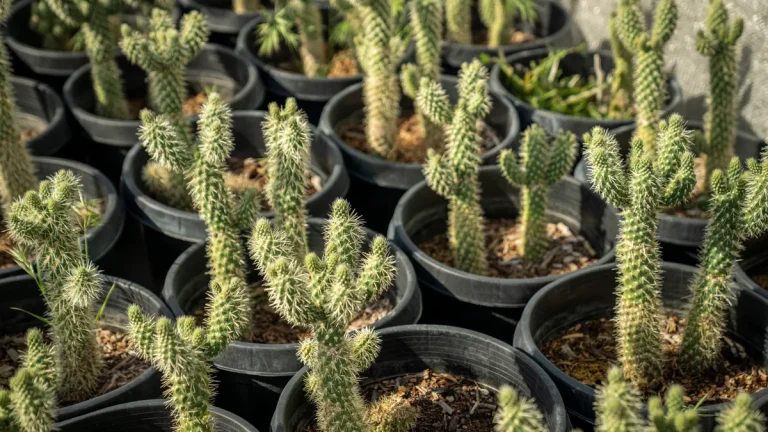
How to Build a Xeriscape Balcony Garden in Full Sun: To build a xeriscape balcony garden in full sun, start with the balcony’s load limits, then choose…
Read More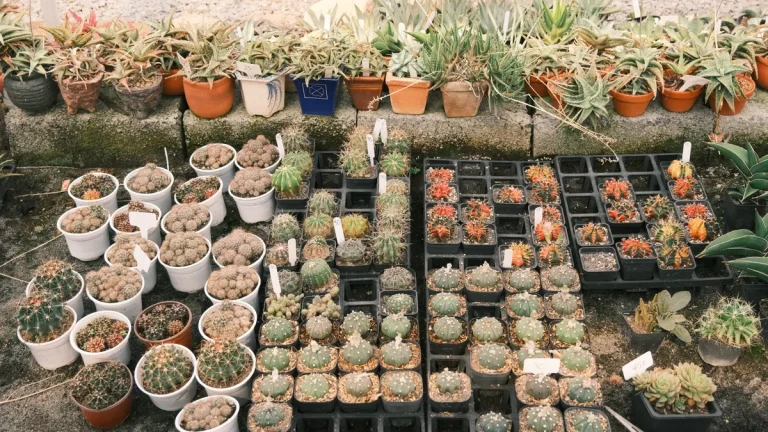
Xeriscape container plants are the right answer when you want low-water planting in pots, not in a bed. For Best Xeriscape Plants for Pots and Containers…
Read More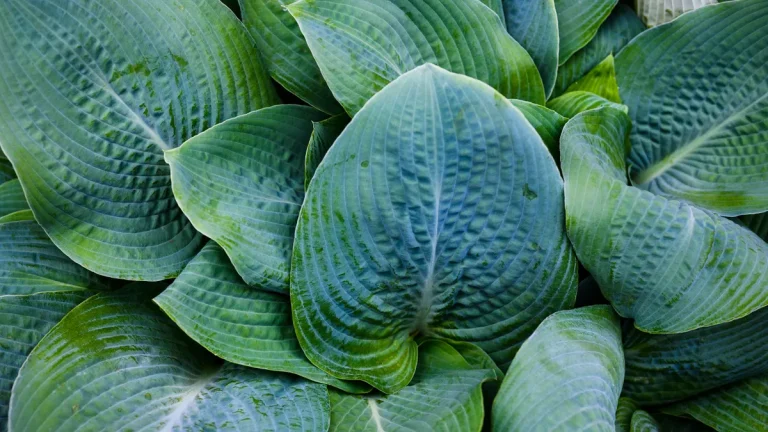
The most reliable Best Shade-Loving Xeriscape Plants for Courtyards and Patios are coral bells, liriope, sedges, compact ferns, shade succulents, and…
Read More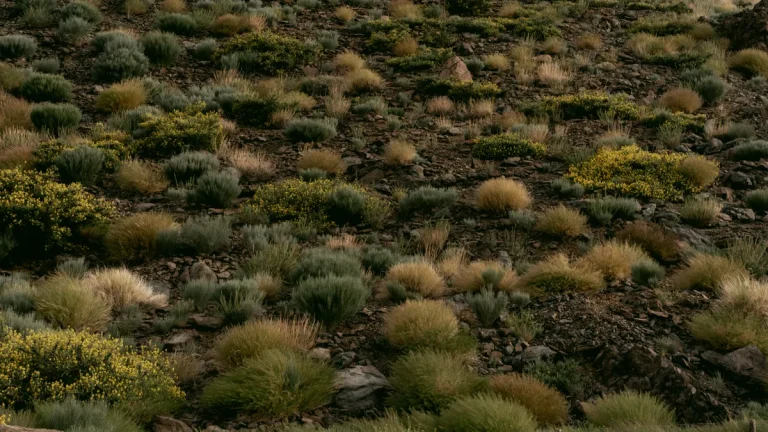
The best erosion control plants for dry hillsides and wash areas usually come from a mix of 5 plant types : ornamental grasses, groundcovers, shrubs…
Read More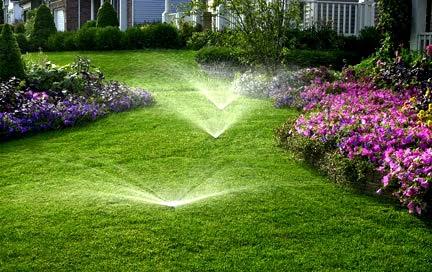
Best Irrigation Options for Drought-Tolerant Landscaping: Drip irrigation is usually the first answer for irrigation options drought-tolerant landscaping…
Read More