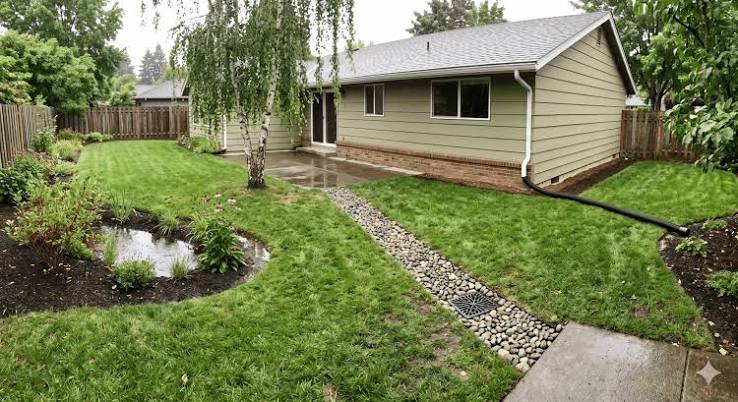
Last updated: September 10, 2026
Key Takeaways
- A simple check takes 10 minutes.
- Mulch bare beds 2–3 inches deep.
- Apply about 1/4 inch, wait 20–30 minutes, then repeat as needed.
- Repeat shallow opening and compost top-dressing on a 4–8 week cycle during the growing season.
A yard that spits water back at you is usually telling the truth: the surface is sealed, packed down, or tilted the wrong way. The fix is not some miracle bottle. It is a mix of loosening hard soil, slowing water down, and keeping the top covered. This guide to how reduce runoff improve water absorption dry yard focuses on soil and surface fixes first, because runoff-prone yards usually have compacted topsoil, bare patches, slope, or all three.
Who this is for, and what I assume you already have
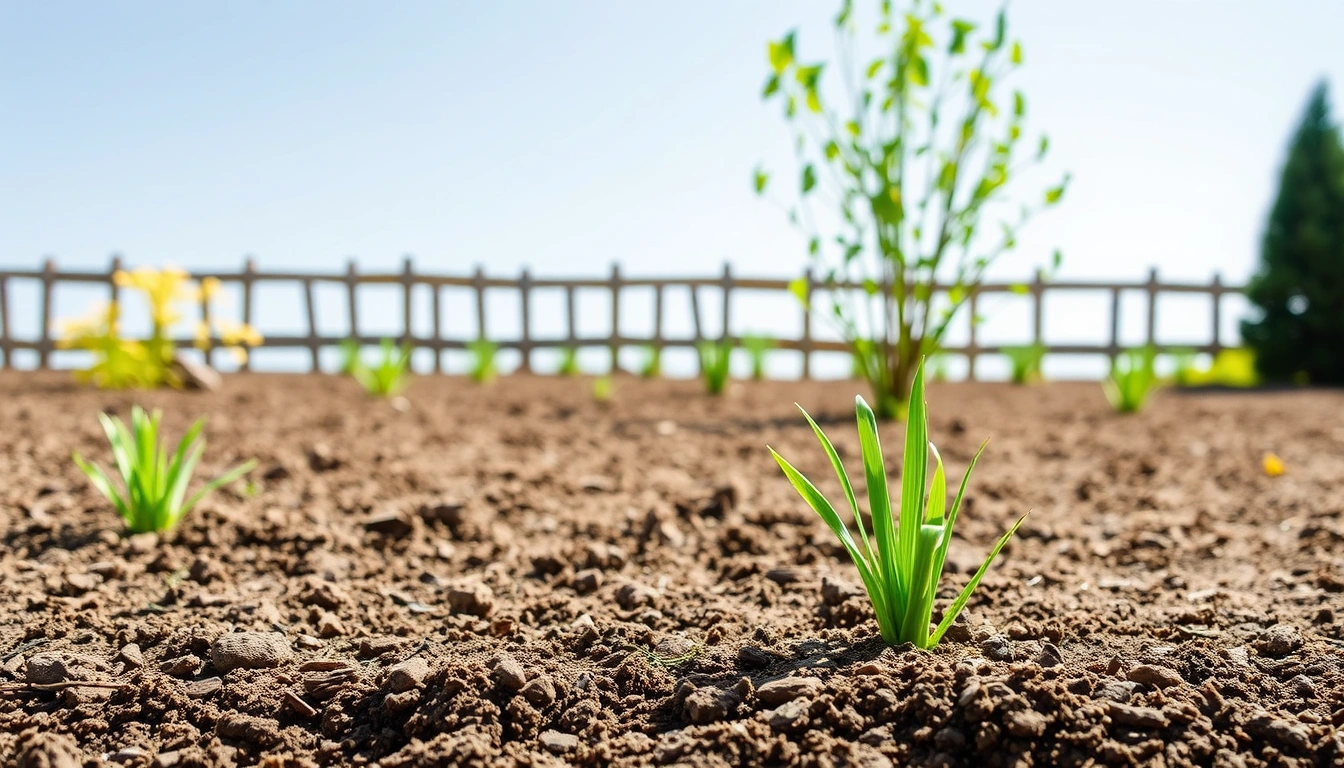
This is for a homeowner dealing with water that beads, races downhill, or leaves the top 1–2 inches of soil dusty and lifeless after a hose or rain. I’m assuming you already have basic hand tools, a hose or sprinkler, a rake, and access to compost, mulch, or another organic amendment. A shovel, a garden fork, and a wheelbarrow make the work easier, but you can do a lot with less.
I’m also assuming this is a normal yard problem, not a drainage failure caused by a broken downspout, a flooded crawlspace, or water coming from a neighboring property. If water is pooling against a foundation, entering a basement, or moving toward a structure, the priority changes: get the drainage path corrected first. The yard itself can wait.
Why does a dry yard still shed water? Because “dry” does not always mean absorbent. The core idea is simple: runoff gets worse when water hits a sealed surface faster than soil can take it in. Dry ground is often crusted, compacted, or hydrophobic, meaning it repels water until the surface is broken. That distinction matters for how reduce runoff improve water absorption dry yard work. A yard that looks thirsty may still take water badly if foot traffic has flattened the top, the mower has been set too low, or organic matter has been stripped away. Sneaky little trap.
I would not treat steep slopes, clay-heavy fills, or areas with persistent standing water as a quick weekend fix; if you’re unsure, consult a local extension service or landscape professional before digging or regrading. These cases may need grading, French drains, or other hardscape changes. But for most dry yards, the right sequence is: loosen, amend, cover, slow the water, and only then decide whether larger drainage work is justified.
What makes a dry yard shed water instead of soaking it up?
A dry yard sheds water because the soil surface has lost structure faster than it has gained it. Compacted soil squeezes the air spaces out, so water has nowhere to move. Low organic matter leaves the soil weak and crust-prone. Bare patches let raindrops seal the surface into a thin hard layer. Slope, even a modest one, gives water speed before the soil can absorb it.
The first thing I look for is whether the problem is infiltration or just storage. Infiltration is how fast water enters soil; storage is how much the soil can hold once it gets there. A yard can have decent infiltration for the first minute and still fail because the root zone is shallow or the subsoil is dense. That is why a 1-inch watering can still run off on a “dry” yard: the top crust accepts almost nothing, then the rest moves downhill.
A simple check takes 10 minutes. Set a straight-sided can or ring in one spot, pour in 1 inch of water, and watch how long it takes to disappear. If water still sits after several minutes, the surface is the problem. If it disappears quickly but plants still struggle, the issue may be depth, soil texture, or root health. In my view, that split saves people from chasing the wrong fix. Clean and simple.
The fix also depends on what the yard is made of. Sandy soil usually needs more organic matter and surface cover to hold water longer. Clay soil often needs aeration and structure, not more sand, because sand can make a bad texture mix if it is dumped into clay in small amounts. A generic “add sand” tip is often an oversimplification in lawn care. For clay, compost and physical opening usually do more good than trying to change texture with a bagged material.
How do I get water into the soil instead of off the yard?
You get water into the soil by opening the surface, adding organic matter, and applying water in smaller doses so the ground can keep up. My preferred sequence is mechanical first, amendment second, then watering changes. If you reverse that order, you often trap runoff on top of the same compacted layer. And then you’re right back where you started.
What should I do first, step by step?
I would start with a 7-step reset that addresses the surface and the root zone at the same time.
- Clear the surface in the worst areas so water can actually reach soil. Remove leaves, sticks, and any crusted debris from at least 10–20 square feet at a time. Verify that you can see the soil surface, not a mat of dead grass or packed debris. A problem sign is water still beading on organic litter instead of reaching soil.
- Check slope and water movement. Use a 4-foot level, a straight board, or a string line to see whether water is running toward low spots. A drop of about 1 inch per 4 feet is enough to move water; steeper areas need stronger slowing measures. Verify where water exits the area. A problem sign is water collecting at a house edge, path, or patio seam.
- Aerate compacted soil. Use a garden fork or a core aerator to open holes 2–4 inches deep, spacing them roughly 4–6 inches apart in the most compacted zones. Verify that the tines or cores are actually penetrating, not skating over hard ground. A problem sign is soil that resists the tool and comes up in shiny, dense clods.
- Top-dress with compost. Spread a thin layer, about 1/4 to 1/2 inch, over the opened surface and work it lightly into the top layer without burying existing grass crowns. Verify that the soil still shows through; this is an amendment, not a blanket. A problem sign is a thick layer that smothers grass or seals the surface again.
- Mulch bare beds 2–3 inches deep. Use shredded bark, wood chips, or leaf mulch in planted areas, keeping material a few inches away from stems and trunks. Verify that bare soil is covered but not piled against plants. A problem sign is exposed patches that still crust over after watering.
- Water slowly in 2 or 3 passes instead of one long blast. Apply about 1/4 inch, wait 20–30 minutes, then repeat as needed. The goal is to let the first pass soften the surface and the second pass move deeper. Verify that the water disappears rather than running. A problem sign is runoff starting within the first minute, which means you need a slower rate or better surface opening.
- Repeat shallow opening and compost top-dressing on a 4–8 week cycle during the growing season. Soil structure usually improves through repetition, not one treatment, though persistent pooling or very slow infiltration should be checked by a professional. Verify that the surface gets darker, more crumbly, and less crusted over time. A problem sign is no change after several cycles, which suggests a deeper drainage or grading issue.
The exact sequence matters. Add compost to sealed ground without opening it, and the amendment just sits there, turning into a slick skin. Aerate but keep watering fast, and most of the water still runs away. Mulch bare soil but never correct compaction, and you only help the top inch or two.
For lawns, I favor core aeration where possible because it physically removes plugs and opens real channels. For beds and small areas, a fork or broadfork does the job without damaging roots as much. A broadfork is a deep-tined tool that loosens soil with less turning than a spade. It is especially useful where you want to preserve soil layers. In a very dry, neglected yard, that kind of disturbance is often more effective than any spray-on product. Cheap fixes look neat; this one actually works.
What should I check before I spend more time on it?
I would check three things before doing a second round: soil texture, drainage path, and root depth. These tell you whether the problem is amendable or structural.
Soil texture determines how much change is realistic. Sandy soil drains fast but can still repel water if it lacks organic matter. Clay soil can absorb slowly but hold water well once opened. Loam sits between those. If you squeeze moist soil and it forms a slick ribbon, you’re probably dealing with clay-rich soil and should emphasize aeration and compost, not more coarse filler.
The drainage path tells you whether runoff is just moving downhill or actually escaping the yard too fast. A shallow swale, a berm, or even a small raised edge can redirect water toward planting zones instead of hard surfaces. A swale is a shallow, broad depression designed to slow and spread water. It is not a ditch. If you make it too deep, you just create a channel that carries water faster.
Root depth matters because many dry yards fail not at the surface but in the root zone. If grass roots or shrub roots only occupy the top inch or two, the area dries out quickly after every watering. In that case, frequent light watering may keep things alive short-term, but the long-term fix is deeper root growth. That means less mowing stress, less traffic, and better soil structure.
A good result is not “no runoff ever.” That is unrealistic on slopes and heavy storms. A good result is water slowing, disappearing between passes, and leaving the soil damp 3–6 inches down rather than slick on top. If you can push a screwdriver into the soil more easily after treatment than before, that usually means the surface is opening up, though very hard or persistent sites may still warrant a local expert’s assessment.
When should I stop using the standard approach?
I would stop and change tactics when the yard is telling you the problem is bigger than surface treatment.
Water pools for more than 24 hours after normal rain: this usually means a grading or drainage issue, not just dry soil — shift from soil conditioning to regrading, a swale, or another drainage solution.
The ground is hard enough that a fork barely enters 1 inch: this is severe compaction or a subsoil problem — use core aeration or broader soil loosening, and do not expect mulch alone to fix it.
Runoff is heading toward a foundation, basement window, or walkway: this is a path-of-water problem, not a lawn-care nuisance — protect the structure first and correct the grade before adding surface treatments.
The yard has a thick clay layer or construction fill under the topsoil: this limits infiltration at depth — compost helps the top layer, but you may need raised beds, imported topsoil, or deeper structural changes.
Watering causes immediate runoff even at low flow from a hose nozzle: the soil surface is rejecting water — stop watering faster and increase the time between passes, or the water will continue to leave the site.
Large dead patches keep reappearing in the same spots: this suggests buried debris, root competition, or a drainage pocket — investigate the cause before reseeding or re-sodding.
What mistakes do people make, and what do those mistakes cost?
The most common mistake is trying to force more water onto the yard in a single long soak. The result is wasted water and more runoff. The better move is to apply smaller amounts in stages, giving the soil time to open.
Another mistake is adding sand to clay in small amounts because it sounds like a texture fix. In the wrong ratio, that can make the soil harder to work, not easier. Compost is usually the safer amendment for most home yards because it improves aggregation, which is the clumping structure that lets air and water move through soil.
A third mistake is over-tilling. Turning the soil 8–12 inches deep can feel productive, but it can also destroy structure and bring up poor subsoil. I would reserve deep disturbance for renovation, not maintenance. For most dry yards, shallow opening and top-dressing are enough.
A fourth mistake is leaving the surface bare after work is done. Bare soil crusts, bakes, and sheds water again. Mulch in beds and healthy turf or cover crops in unused areas keep the surface open longer.
A fifth mistake is ignoring the slope. People can improve soil and still lose the battle if all the water is moving toward one low edge. A 1–2 inch reshaping of grade in a small area can matter more than another bag of amendment.
How do I handle slopes, clay, and very bare ground?
I would modify the method in three specific ways.
On a slope, the main goal is to slow water before it gains speed. Use shallow contour swales, small berms, or terracing in steps no higher than 6–8 inches for modest residential slopes. Planting dense groundcovers along the contour helps too. The important rule is to spread water sideways, not channel it downhill.
In clay soil, I would emphasize repeated aeration and compost rather than aggressive digging. Clay benefits from aggregation, and that takes time. A 1/4-inch compost top-dress several times a year is often more useful than one heavy dump. If the clay is subsoil under a thin top layer, raised beds can be the practical answer for plantings that need better root-zone conditions.
For bare ground, I would not leave it naked after reworking it. Seed, mulch, or both should follow within days, not weeks. Bare soil repels water more easily once it dries and crusts. If you need a temporary cover, even a light organic mulch is better than exposure.
There are also places where the usual yard approach does not apply. Shallow-rooted ornamental beds near tree roots, compacted side yards with foot traffic, and spots under roof drip lines all need slightly different handling. Roof runoff can overwhelm even decent soil, so downspout extensions or splash blocks may be more effective than any soil treatment in that strip.
FAQ: What people ask after the first fix
How long does it take to see improvement? You can see less runoff immediately if you water in smaller passes, but real soil change usually takes a full growing season of aeration, compost, and