
Last updated: September 10, 2026
Key Takeaways
- When water sits on top or needs 30 minutes just to soak in, use longer soak cycles with pauses.
- With soaker hose, start at 30 to 90 minutes and check infiltration.
- Write down the date, run time, and observed soil condition for 2 to 4 weeks.
- A better option is checking soil and adjusting every 1 to 2 weeks during peak heat.
Table of Contents
- Why smart watering schedules matter for xeriscape plants
- Who this is for, and who should do something else
- How do I build a watering schedule that actually fits xeriscape plants?
- What should I check before I trust the timer?
- The mistakes people make with xeriscape watering
- When does the standard xeriscape schedule not apply?
- How long should a xeriscape watering schedule stay the same?
Why smart watering schedules matter for xeriscape plants
Xeriscape plants only need enough water to stay alive, root well, and still look like themselves. Not more. This guide on how to set up smart watering schedules for xeriscape plants uses plant type, soil, season, and irrigation zone as the starting point — not some fixed Tuesday timer that once happened to work for lawn grass. It suits homeowners using drip irrigation, soaker hose, or even a manual hose setup, as long as they know where the xeric plants are and can tweak run times by zone. Not every yard qualifies, though. Beds with standing water, broken valves, or a mystery mix of plants with very different needs are a poor match.
“Drought tolerant” gets people into trouble. Badly. It can sound like “never water again,” and that’s how new plants die in year one. Even desert natives need a root-establishment plan when they’re new. Mature plants, on the other hand, want deeper irrigation spaced farther apart. The whole point of how to set up smart watering schedules for xeriscape plants is to match that gap with a schedule that changes by month instead of a calendar app that repeats forever.
Who this is for, and who should do something else
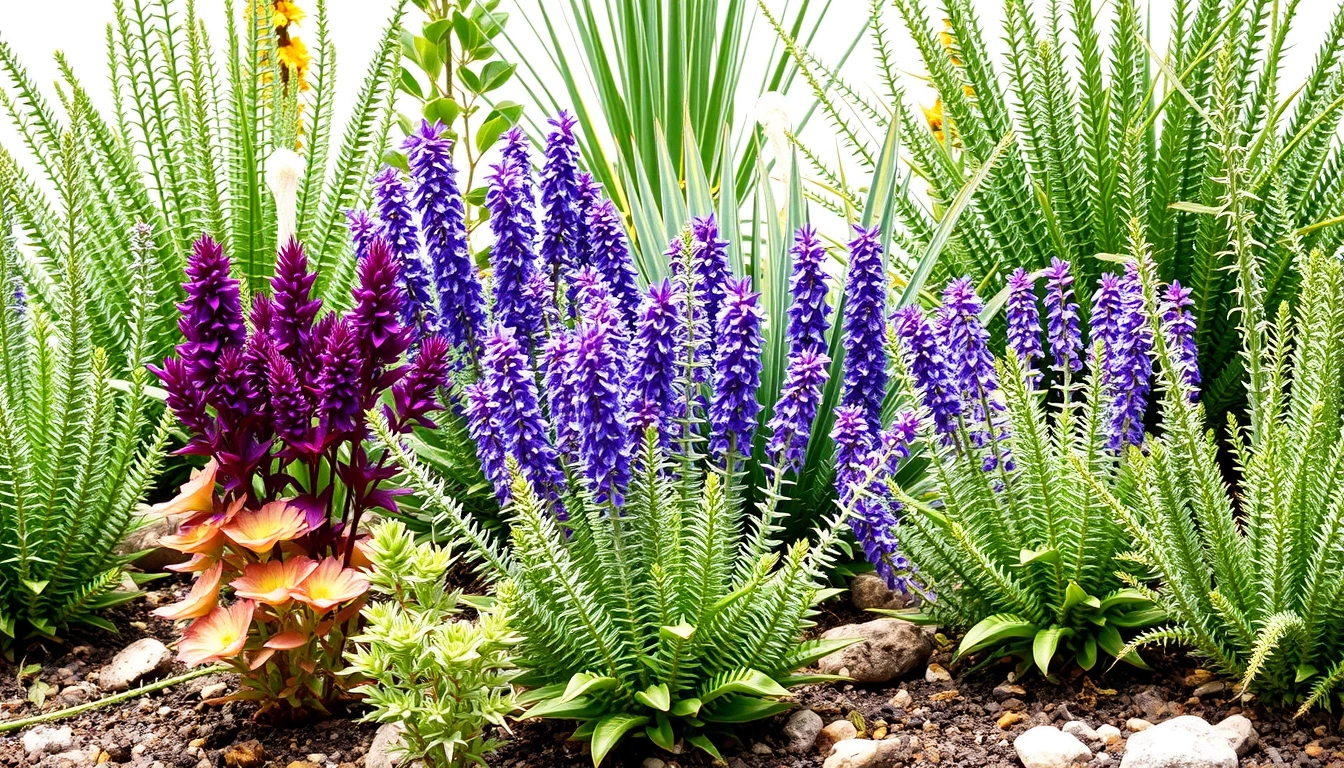
This is for gardeners who want a watering plan they can actually live with: one that keeps shrubs, perennials, succulents, ornamental grasses, and drought-tolerant groundcovers healthy without turning the bed into a swamp. I’m assuming you already know which plants are in the bed, have at least a rough sense of your soil type — sandy, loamy, or clay — and can set a timer, open a valve, or move a hose 10 to 20 feet.
It also suits people who want to stop guessing. Xeriscape works best when irrigation follows plant size and root depth, not when every zone gets the same 15-minute run time. A small agave and a young Texas sage are not asking for the same schedule. Neither is a newly planted salvia compared with a 5-year-old shrub. In a mixed planting, you may want to talk with a local cooperative extension or certified irrigator before changing runtimes. For background, Utah State University Extension has practical guidance on establishing landscape plants, and the University of Arizona Extension covers xeriscape plant grouping: https://extension.usu.edu/ and https://extension.arizona.edu/.
This is not for every landscape. If your bed has plants with opposite needs jammed together — rosemary beside a thirsty hydrangea, for example — no schedule will fix the design problem. Split the zone first. Broken emitters, chronic puddling, or a slope that sends water downhill before it infiltrates should be handled before automation enters the picture. Honestly, drip systems are often a strong fit for xeriscape. The Irrigation Association has guidance on scheduling and distribution uniformity: https://www.irrigation.org/. For plant selection and water grouping, I’d also keep the University of Arizona’s Xeriscape resources handy: https://extension.arizona.edu/.
Water deeply enough to wet the active root zone, then wait until the soil has dried partway before watering again. Simple, yes. Easy? Not always. The hard part is turning that into a schedule that shifts with weather, plant age, and soil texture. That’s what comes next.
How do I build a watering schedule that actually fits xeriscape plants?
Start with the plant, not the clock. Then group by water need, set run time from soil intake and root depth, and only after that adjust for the season. A smart schedule should tell you how often to water, how long each zone runs, and when to pause after rain.
- Group plants by water need and root depth. Put shallow-rooted succulents, moderate-water shrubs, and newly planted perennials in separate irrigation zones if you can. Make sure each zone contains plants with similar needs. A mixed zone turns messy fast if one plant class starts stressing while another stays wet.
- Check your soil texture in each bed. Sandy soil drains fast; clay holds water longer. A simple jar test or a feel test is enough. Water disappearing in less than a few minutes means shorter, more frequent runs. But if it sits on top or takes 30 minutes to soak in, plan longer soak cycles with pauses.
- Set the baseline frequency by plant age. New xeriscape plants often need watering 2 to 3 times per week for the first growing season; established plants may need only every 7 to 14 days in dry weather. Check whether the plant has filled in and anchored roots. If the schedule only works because you’re watering every other day, the plant isn’t established yet.
- Choose a run time that wets the root zone, not just the surface. For drip irrigation, begin with a short cycle, often 20 to 60 minutes depending on emitter flow and soil. For soaker hose, start with 30 to 90 minutes and check infiltration. Make sure moisture reaches several inches down, not just the top 1 inch. Surface-only wetting keeps roots shallow and turns plants into water dependents.
- Use cycle-and-soak on heavy soil or slopes. Run the zone for 10 to 20 minutes, pause 20 to 40 minutes, then repeat instead of running one long cycle. Check that runoff has stopped and water is moving into the bed. If sheet flow shows up, shorten each cycle or add more pauses.
- Install a simple moisture check. Push a finger, trowel, or soil probe 3 to 6 inches into the root zone before the next watering. If it feels cool and moist, wait. If it feels dry at that depth, water. The problem sign is sticking to a fixed day even when the soil still feels damp.
- Adjust for weather and season. Cut back in cool months and after rain; increase during heat waves, wind, and intense sun. A summer schedule that works in June may be too dry in August, then too wet in October. Make sure the timer can change in 5- to 15-minute increments. If it only offers giant jumps, it’s too blunt for fine xeriscape control.
- Record the schedule by zone. Write down date, run time, and observed soil condition for 2 to 4 weeks. Check whether the plants are wilting in the afternoon, yellowing from excess moisture, or sending roots to the surface. If the notes keep pointing in the same direction, the baseline is off and needs a reset.
A good starting pattern for many xeriscape beds is this: newly planted shrubs get water more often, but in smaller doses; established shrubs get it less often, but more deeply; succulents get the longest dry gap of all. The exact timing depends on soil and emitters, so copying a neighbor’s yard is a gamble, not a plan. A 10-minute drip cycle on sandy loam can behave very differently from a 10-minute cycle on clay.
One useful standard is “deep, infrequent watering.” People misuse that phrase all the time, so here’s the plain version: wet the full active root zone, then let the upper soil dry somewhat before watering again. It is not a license to flood the bed. It is not a fixed number of days either. It is a wet-dry pattern. The University of California Agriculture and Natural Resources explains similar scheduling principles for landscape irrigation: https://ucanr.edu/.
What should I check before I trust the timer?
Check plant age, emitter output, and soil moisture before trusting any schedule. A timer can run perfectly and still deliver the wrong amount if the system doesn’t match the bed. Sounds obvious, but it gets missed a lot.
First, look at plant establishment. A newly planted 1-gallon shrub has a tiny root system compared with a 5-gallon or 15-gallon specimen. In its first season, it usually needs closer attention and shorter intervals. Mature xeric plants can go much longer between waterings, but only if they were watered correctly during establishment. For planting-depth and establishment timing, the University of Florida IFAS Extension has useful general guidance on new landscape plants: https://edis.ifas.ufl.edu/.
Second, confirm emitter output or hose coverage. A 2-gallon-per-hour drip emitter and a 0.5-gallon-per-hour emitter do not make the same wetting pattern. Without the output, runtime is just a guess. That matters more than people like to admit. Two zones on the same 30-minute schedule can deliver very different amounts of water.
Third, inspect the bed surface after watering. The soil should absorb water without pooling for long. If runoff appears at the edge of a basin, the water is leaving the area where roots actually live. Fungus gnats, moss, or a sour smell point the other way — too often, or too much.
Fourth, check mulch depth. About 2 to 4 inches of mulch helps reduce evaporation and cools the soil, but a mulch volcano around the stem is wrong. Keep mulch off crowns and trunks. Mulch that touches stems can trap moisture where rot starts.
Before the next scheduled watering, the soil 3 to 6 inches down should be only partly dry, not dust-dry and not soggy. That’s the line. If it is still wet, back off. If it dries out after only a day or two, increase runtime or frequency slightly. I’d rather make small adjustments than chase a “twice a week” rule that doesn’t fit the bed.
The mistakes people make with xeriscape watering
The biggest mistake is treating all xeriscape plants as if they want the same schedule. That can drown succulents and starve shrubs. The fix is zone separation by water need and root depth. Clean and simple.
A second mistake is shallow, frequent watering. People set 5- to 10-minute cycles because they look neat on paper, but that often wets only the top layer of soil. Roots stay near the surface, which makes plants more sensitive to heat and drought. The cure is longer cycles with fewer days between them, or cycle-and-soak on soils that repel water or run off.
A third mistake is ignoring plant age. Newly planted xeric plants do not behave like established ones. Water a new plant like a mature one, and it may never root out. Water an established plant like a new one, and you can keep it too wet. The correction is to change the schedule after the first season, not just leave the original timer in place. If you’re unsure how fast a specific shrub should establish, ask a local extension office or qualified irrigation professional.
A fourth mistake is watering on a weatherless calendar. August heat, cool cloudy weeks, wind, and rain all change demand. A fixed Monday/Thursday schedule is usually too rigid. A better option is checking soil and adjusting every 1 to 2 weeks during peak heat. The U.S. Environmental Protection Agency’s WaterSense program offers practical irrigation-saving advice: https://www.epa.gov/watersense.
A fifth mistake is assuming clay and sand need the same runtime. Clay needs slower delivery or pauses; sand often needs shorter but more frequent watering because water drains through quickly. If a clay bed is getting runoff, use shorter cycles. If a sandy bed dries out too fast, increase frequency before increasing duration too much.
A sixth mistake is putting the timer ahead of system repair. A clogged emitter, crushed hose, or broken zone valve can make a perfect schedule fail. If one side of the bed looks stressed while the rest looks normal, check the hardware before changing the whole program. That’s the ugly part, really. Sometimes the fix is mechanical, not botanical.
When does the standard xeriscape schedule not apply?
The standard schedule does not apply when the plant, soil, or site breaks the assumptions behind drip irrigation. Change the method first in those cases.
Newly planted shrubs in the first growing season: They have limited root spread — water more often, in smaller amounts, until roots extend beyond the original root ball. Water them like established shrubs, and they can stall or die back.
Very sandy soil: Water moves through too fast — use shorter intervals more often, and check moisture at 3 to 4 inches rather than waiting for a long dry gap. Keep long gaps between irrigations, and the root zone can go bone dry between runs.
Heavy clay soil or compacted beds: Water infiltrates slowly — use cycle-and-soak and longer pauses. Run one long cycle, and water may puddle or run off before it enters the root zone.
Plants in full-reflection heat, such as against south-facing walls: Heat load is higher — expect faster drying and watch for afternoon wilt. If a plant consistently stresses there, the schedule may not be enough and the location itself may be the issue.
Mixed beds with thirsty ornamentals beside xeric species: Water needs conflict — split the zone or water manually by plant. If you cannot separate them, the xeric plants often pay the price.
Succulents in containers: Potting mix dries much faster than in-ground soil — use a different schedule entirely, often with complete dry-down between waterings. A schedule that works in the ground can rot a potted agave.
If the problem is chronic runoff, repeated yellowing, or plants that keep looking thirsty even while the soil feels wet, the schedule is not the only issue. Soil structure, plant choice, and grading may need correction. I would not keep adjusting a timer if the bed itself is the wrong shape for the water.
How long should a xeriscape watering schedule stay the same?
It should not stay the same all year; the useful schedule changes every 2 to 6 weeks in active seasons and less often in cool weather. Xeriscape is seasonal management, not a one-time setup.
A good result looks like this: plants stay firm through the day, growth is normal for the species, and the soil is neither powder-dry at root depth nor constantly wet. You should see fewer surface roots, less runoff, and less guesswork. The bed should dry between waterings, but not so completely that the plants collapse. That balance is the target.
If you want a simple maintenance rhythm, review the schedule at the start of spring, during peak summer heat, and again as nights cool in fall. Each review can be short: check the soil, inspect emitters, and change runtimes in 5- to 15-minute increments. Those small tweaks are often enough. Huge changes usually mean the original zone design needs work.
I’d also keep a written note from the first year after planting. That year teaches you more than any general advice can. Once the plants are established, the schedule usually gets simpler, not more complicated. You water less often, but you watch more carefully after weather shifts, soil changes, or plant growth.