Last updated: September 10, 2026
Key Takeaways
- A problem sign is green blades pushing back through 2 to 3 weeks after clearing.
- Loosen the top 4 to 6 inches of soil.
- A problem sign is rot at the plant base or a mulch layer deeper than 3 inches.
- The fix is fewer, deeper soakings that wet at least the top 6 to 8 inches during establishment.
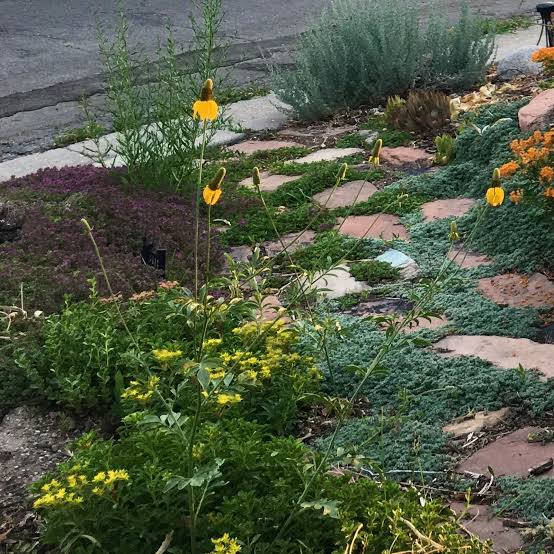
A sunny lawn that needs water every few days is a money drain. Drought-tolerant ground covers that replace lawn sunny areas can take over that job — but only when the plant matches heat, foot traffic, and soil, not just “full sun.” I’ll show you which drought-tolerant ground covers that replace lawn sunny areas actually hold up, how to install them so they spread instead of sputter, and where the idea stops paying off.
Who this is for — and who should choose something else
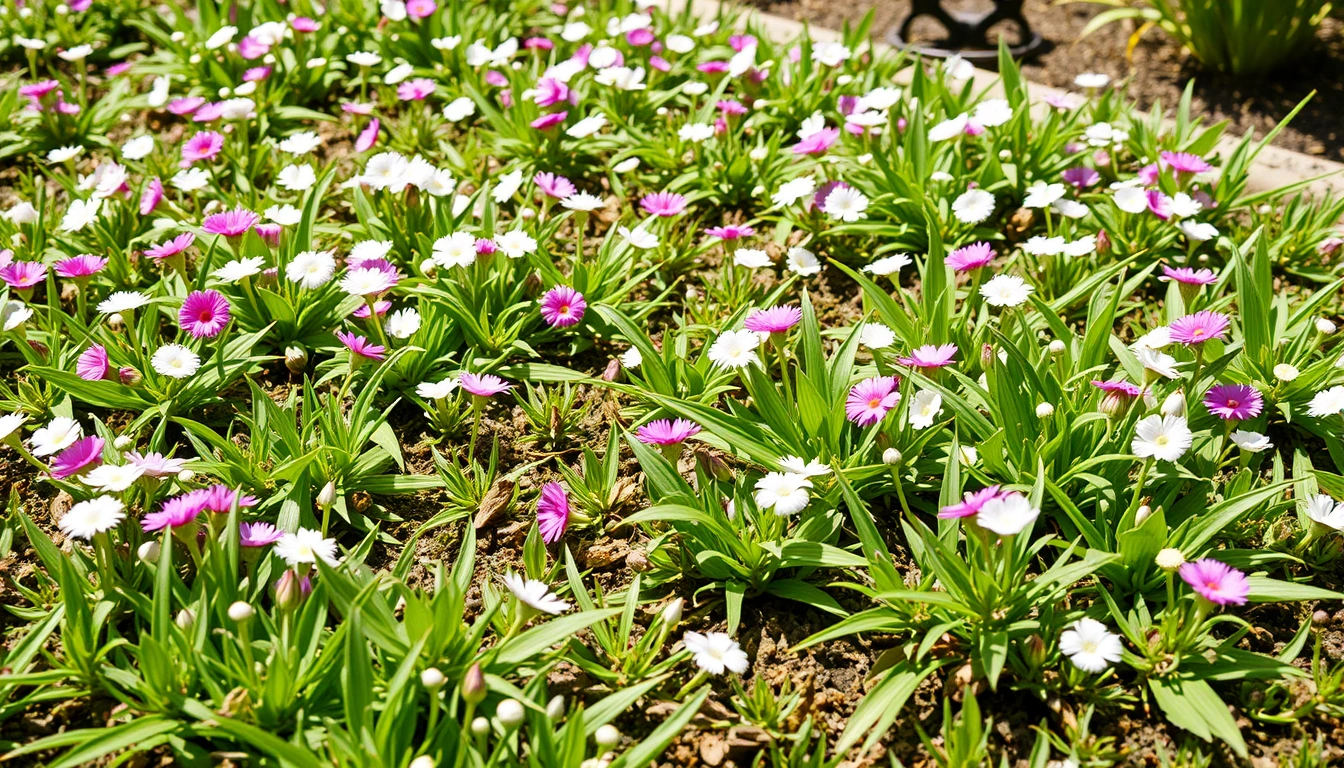
This is for people who want to replace part or all of a lawn in a bright site with lower-water planting, usually in USDA hardiness zones 5 through 10, where summer heat and reflected light from pavement or walls make turf expensive to keep green. I’m assuming you already know the basics: full sun means 6 or more hours of direct sun, and you can tell whether the area gets morning sun, afternoon scorch, or all-day heat. I’m also assuming you can wait a season or two for plants to knit together. Ground covers are not a one-week fix. Not even close.
If your “lawn” is really a visual carpet you cross now and then, this can work well. So can a slope that sheds runoff, or a yard where mowing is the part you resent most. But I would not use ground covers for a dog run, a kids’ soccer patch, or anywhere that needs clean edges and a uniform height under heavy use. Those spots need turf, hardscape, or a different planting plan.
Generic advice says to “pick drought-tolerant plants.” Too vague. The real test is harsher: can the plant handle sun, dry soil, and repeated foot traffic at the same time? Usually, one of those three is fine. Two is harder. Three is where the wheels come off. Creeping thyme may love sun and drought yet get battered by constant walking. Kurapia-style Lippia can take more use, but it still needs a decent establishment period. If you want a lawn substitute that looks intentional, I’d start by deciding which stress matters most.
What actually makes a ground cover lawn replacement work?
A successful lawn replacement in sun is a low mat of plants that closes fast enough to shade soil, resists summer burn, and does not fall apart into bare spots after one hot month. The key trait is not just drought tolerance; it is canopy density at 2 to 12 inches tall, depending on the species. Dense coverage matters because bare soil bakes, weeds pop up, and water disappears fast. That’s the whole ballgame.
Three failure modes show up again and again. First, people choose a “pretty” ground cover that prefers part shade, then plant it in west-facing full sun. It survives spring and fries in August. Second, they ignore soil compaction. Many ground covers, including sedums and thyme, hate waterlogged clay that crusts over after irrigation. Third, they expect instant coverage. Most replacement plantings need at least one growing season before they look finished; some need 18 to 24 months.
If I were sorting by function instead of catalog photo, I’d split candidates into three buckets. Low traffic, high beauty: creeping thyme, woolly thyme, blue star creeper in less brutal heat, and some sedums. Moderate traffic, good spread: frogfruit (Phyla nodiflora), certain clovers in cooler climates, and low-growing native options. Best for broader “no-mow” coverage in hot sun: site-specific selections such as Kurapia where available, or regionally adapted native mats. The exact species matters less than matching the plant to your temperature, rainfall, and foot traffic. Pretty much the whole trick.
Which drought-tolerant ground covers work best in sunny areas?
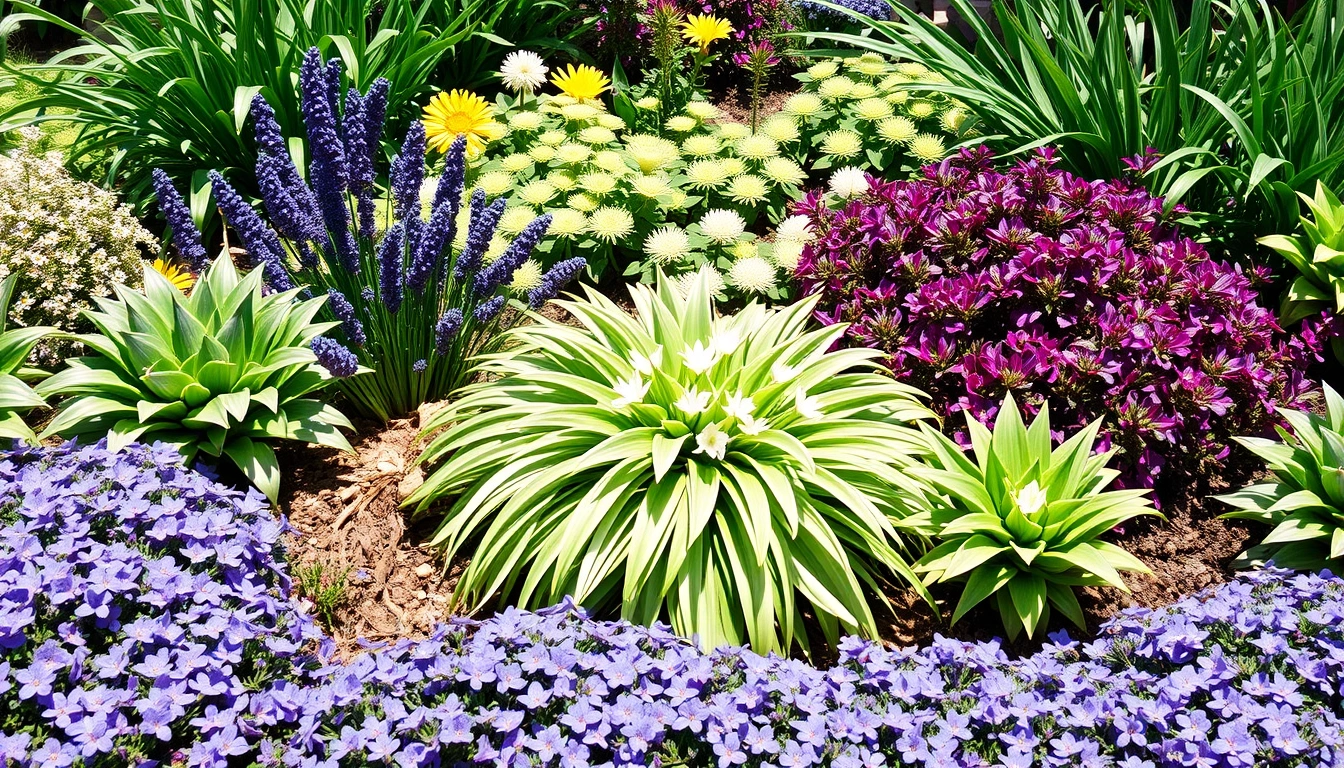
The best pick usually matches your climate and use, not the one with the lowest water label. In hot, dry, sunny spots, I usually sort candidates by behavior, because that tells you more than a name tag.
Creeping thyme (Thymus serpyllum and related species) is excellent for dry, sunny, well-drained sites with little foot traffic. It usually stays low, often under 6 inches, and looks best when it gets at least 6 hours of direct sun and gritty soil. Its weakness is wear tolerance; regular walking breaks it up.
Sedums and stonecrops are among the toughest for drought and heat, especially on slopes, gravelly edges, and rock-garden type soils. They are good where you need survival more than lawn-like feel. They are not a soft, uniform carpet, and many are too brittle under repeated stepping.
Frogfruit is useful in warmer regions because it can knit together into a living mat and tolerate some use once established. It is more forgiving of heat than many “ornamental” ground covers. It can look loose at first, which bothers people who want a manicured finish on day one; if that matters, consult a local extension office or nursery professional about how fast it typically fills in in your area.
Kurapia or other low-growing Lippia selections are often used as turf alternatives in sunny areas because they spread quickly and tolerate moderate traffic better than most herbs. Availability is limited in some regions, and local adaptation matters. If your climate is cold enough to freeze hard, this is not the first plant I would reach for.
Native low mats, such as regionally appropriate strawberries, manzanita forms, or prairie-type low growers, can be excellent where the species truly fits the site. The drawback is that “native” does not automatically mean “lawn replacement.” Many natives are beautiful but uneven, seasonal, or slow to fill in.
I would not dismiss clover outright, but I also would not lead with it in a hot, arid, full-sun site unless the soil stays a bit more moist than average and the climate is not brutally hot. Clover gets sold as a universal answer. It isn’t.
How do I replace lawn with ground covers step by step?
You replace lawn with ground covers by removing the turf, fixing the soil surface, planting at the right spacing, and keeping the bed evenly moist long enough for roots to knit together. The work happens up front, and shortcuts show up later as weeds, gaps, or dead patches.
- Map the site in sun and heat zones. Mark the area in 3 categories: full-day sun, afternoon sun against a wall or fence, and reflected heat near pavement. Verify that your chosen plant tolerates the hottest category, not just the average one. A problem sign is leaf scorch by midsummer on the hottest edge while the center stays fine.
- Remove existing turf and root crowns. Strip sod or kill the lawn completely, then remove surviving runners and crowns 2 to 4 inches below the surface. Verify that you are not planting into live turf, because grass will outcompete new ground covers. A problem sign is green blades pushing back through 2 to 3 weeks after clearing.
- Loosen the top 4 to 6 inches of soil. Broadfork, till lightly, or work in place without turning deep clay to soup. Verify that water infiltrates instead of puddling after a 10-minute soak. A problem sign is standing water after irrigation or rain, which means roots will struggle.
- Amend only what the plant needs. Add 1 to 2 inches of compost to poor soil; skip heavy organic amendment for drought plants in clay that already holds moisture. Verify that the surface is level and crumbly, not fluffy and sinking. A problem sign is soil that stays soggy for more than a day after watering.
- Plant on the recommended spacing, not “far apart so they can grow.” For many ground covers, spacing at 12 to 18 inches on center is normal; some vigorous types can be wider, while slower mats need 8 to 12 inches. Verify that you can see a clear path for the plants to meet within 1 to 2 growing seasons. A problem sign is exposed soil between plants so wide that weeds take over.
- Water deeply at planting, then keep the root zone evenly moist for establishment. Use enough water to wet the top 6 to 8 inches, then water again when the top inch dries; in hot weather this can be every 2 to 4 days at first. Verify by digging a small check hole and feeling for moisture below the surface. A problem sign is wilting that does not recover by evening.
- Mulch lightly, if the plant can handle it. Use 1 to 2 inches of fine mulch between plants, or a gravel mulch for species that prefer it, keeping crowns exposed. Verify that stems are not buried. A problem sign is rot at the plant base or a mulch layer deeper than 3 inches.
- Reduce irrigation only after the roots are established. After roughly 8 to 12 weeks for fast spreaders and longer for slower ones, back off to deeper, less frequent watering. Verify that new growth continues without daily water. A problem sign is persistent limpness after stretching intervals, which means you cut water too soon.
Spacing is the number that matters most. A plant set at 12-inch centers can cover a small patch far faster than one scattered at 24 inches. If you want a finished look within one season, you need to buy more plants than most people expect. That is the trade-off: faster cover costs more up front. Simple, but not cheap.
What should I check before I buy plants?
Check water, traffic, and winter behavior before you buy a single flat. A ground cover that survives on a nursery bench can still fail in your yard if the soil is heavy clay, the site gets hot afternoon reflection, or the plant dies back hard in winter and leaves a gap for six months.
Start with soil drainage. If a hole 12 inches deep stays wet longer than a day after a thorough soak, many drought ground covers will be unhappy unless you raise the bed or choose a more tolerant species. Next, think about traffic. If someone will cross the area daily, the plant should tolerate compression and stem breakage; that knocks out a lot of herbs and sedums. Then check mature spread. A plant marketed as “fast spreading” may be a blessing or a headache depending on whether you want a tight mat or a creeping edge that needs annual trimming.
Also check local climate behavior, not just the label “drought tolerant.” A plant can be drought tolerant in a Mediterranean climate and fail in humid heat, where disease pressure rises. In cold-winter areas, some ground covers look dead for months even when they are alive below ground. That may be fine if you want a summer carpet and can live with winter dormancy; it is not fine if you want year-round green.
I’d also check your water rules. In some places, there are rebate programs or turf-removal incentives for converting lawn to low-water landscaping through local water agencies. Those programs change, so I won’t name a dollar amount I can’t verify, but they can affect whether you choose a dense planting or a slower, cheaper one. For regional planning, see your local extension office and a water provider page such as the EPA’s WaterSense guidance or a state water board turf-replacement program. See also Replacing Lawn With Low-Water Landscaping and How Much Water Does a Lawn Use?.
When should I stop and choose a different approach?
Stop and choose something else when the site or use case makes plant cover the wrong tool. Here are the situations where I would walk away from ground covers as a lawn substitute:
Heavy daily foot traffic: This means the area will be crossed, played on, or stood on for long periods every day — Use turf, pavers, or a reinforced system instead of a low mat that will thin out and develop bare lanes.
Poor drainage plus full sun: This means the soil stays wet after irrigation but the surface still bakes hot — Raise the grade, improve drainage, or choose a different planting plan, because roots will alternate between rot and drought stress.
Deep shade part of the year: This means nearby trees or buildings block 4 or more hours of direct sun during part of the season — Pick shade plants or accept patchiness, because sun-loving ground covers will not stay dense there.
Severe weed pressure from Bermuda grass, bindweed, or nutsedge: This means you are battling aggressive perennial weeds that return from rhizomes or tubers — Solve the weed problem first, because ground covers planted into a weed bank will get invaded.
Need for a uniform, mowable surface: This means you want the same use and appearance as a lawn, just with less water — Keep turf or use a designed lawn alternative, because most ground covers do not mow like grass.
Freeze-prone climate with winter dieback: This means the plant loses top growth after hard frost — Choose a species that is locally dependable or accept seasonal gaps; otherwise the area will look ragged for months.
These are not minor caveats. They’re the points where the whole idea stops fitting the problem. If any one of them describes your site, I would change the plan rather than force a ground cover to behave like turf.
The mistakes people actually make, and what they cost
The most common mistake is buying too few plants. If you space a slow ground cover too widely, weeds move in first and you spend the next year hand-weeding gaps. The fix is to plant at the density the mature spread actually requires, even if that means a higher upfront cost.
The second mistake is mixing species with very different water needs in the same bed. A sedum patch next to a thirstier flowering ground cover usually turns into one happy section and one weak section. The fix is to group plants by water use and exposure.
The third mistake is watering shallowly every day after planting. That trains roots to stay near the surface, which is often the least stable place in a sunny bed. The fix is fewer, deeper soakings that wet at least the top 6 to 8 inches during establishment.
The fourth mistake is putting the plant in rich, loose soil and then overfeeding it. Many drought-tolerant ground covers grow lush and weak in high-nitrogen conditions, then flop or rot. The fix is modest compost, not heavy fertilizer. If you fertilize at all, do it lightly and only after the plant