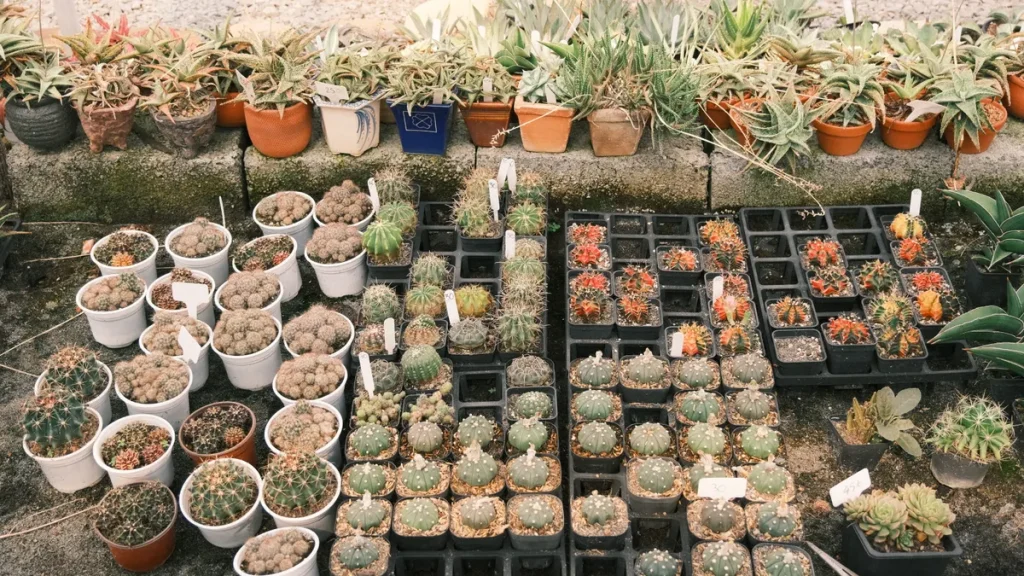
Last updated: October 21, 2026
Key Takeaways
- Compact succulents, small grasses, and dwarf shrubs often work best in xeriscape pots and containers.
- Match plant choice to pot size, sun exposure, and how often you can water by hand in hot weather.
- Plants that stay compact, avoid soggy soil, and settle well in pots are usually the safest picks.
- Drainage, a pot at least 12 inches wide for medium growers, and a mineral-heavy mix matter more than the plant tag.
Xeriscape container plants are the right answer when you want low-water planting in pots, not in a bed. For Best Xeriscape Plants for Pots and Containers, the core choice is not just the plant, but whether it can handle the faster drying, hotter roots, and tighter space of a container.
The plants that usually perform best in containers
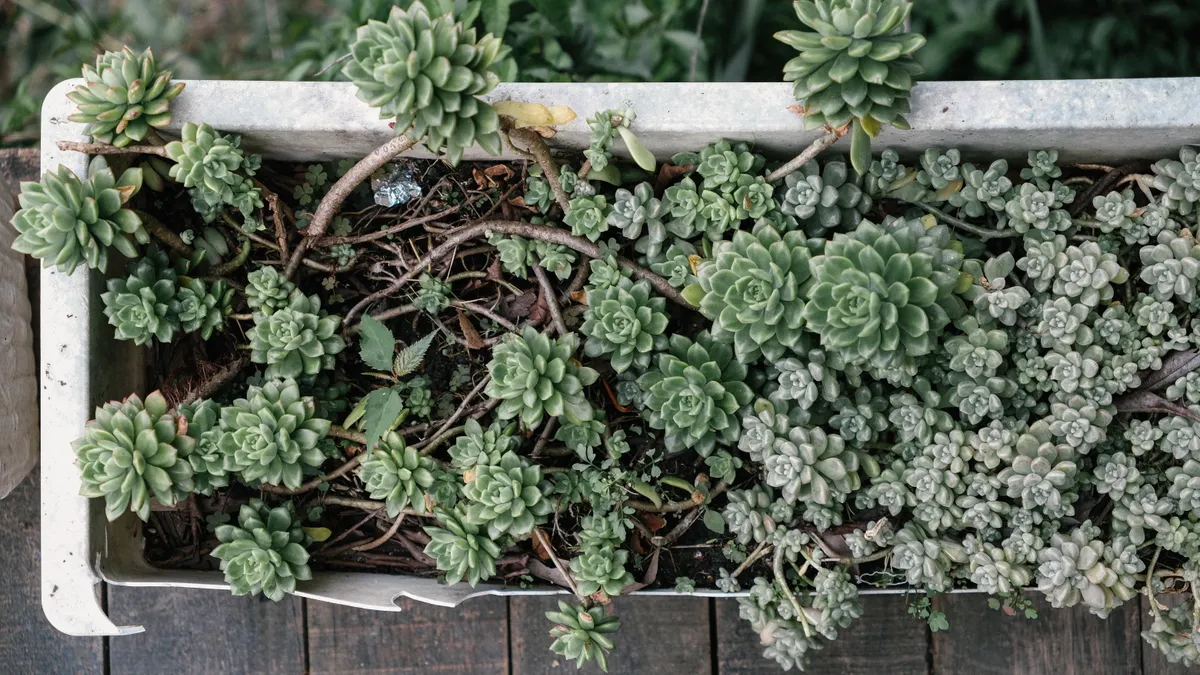
The best xeriscape plants for pots and containers are compact succulents, small grasses, and dwarf shrubs that can handle fast drainage and irregular watering. That combination matters more than flower color or “drought tolerant” on a tag, because the container itself becomes the stress test.
A practical short list starts with plants that stay relatively small and do not demand constant moisture:
- Succulents such as hens-and-chicks, sedums, and many echeverias. These store water in leaves and usually do well in shallow, gritty mixes.
- Agaves, especially smaller forms. They bring strong structure, but many species need room and can be spiky enough to be a problem near walkways.
- Compact grasses like blue fescue or smaller feather-reed types. They add movement and stay useful even when flowers are gone.
- Dwarf shrubs such as compact rosemary, dwarf lavender, and small santolina forms. These give height and fragrance, but they need excellent drainage.
- Trailing succulents for the rim of a pot, where they can spill without burying neighbors.
The honest trade-off is simple: the thirstier the look, the more attention the pot will demand. A glossy annual that wants daily watering is the wrong plant for xeriscape containers, no matter how pretty it is in the nursery. A plant that thrives in a dry, rocky border usually does better here.
Not every drought-tolerant plant belongs in a container. Large shrubs, aggressive spreaders, and anything that needs deep root run are poor fits for pots because the root system runs out of space fast. That means a container can turn a normally tough plant into a stressed one in a single season if the plant is oversized for the pot.
How do I choose xeriscape container plants without setting myself up for failure?
Choose plants that match the pot size, sun exposure, and your willingness to water by hand every few days in hot weather. If you are unsure, check with a local nursery professional or cooperative extension for region-specific guidance, because the simplest filter can still vary by climate and exposure. That is the simplest filter, and it prevents most disappointments before they start.
Use this quick decision process:
- Start with the light you actually have. Full sun on a patio is not the same as bright shade by a wall. A south-facing terrace can turn a dark ceramic planter into a heat trap by afternoon.
- Match mature size to the container. A plant that reaches 3 feet across does not belong in a 10-inch pot. Pick varieties that stay compact or can be divided every 1 to 2 years.
- Check how much water the plant tolerates between soakings. Succulents can handle longer dry spells than grasses or dwarf shrubs. If you travel often, lean toward the toughest, slowest-growing choices.
- Think about texture, not just survival. One spiky agave, one mounded grass, and one trailing sedum can look more polished than a crowded mix of plants that all want different moisture levels.
- Choose containers with a drainage hole. Without it, even a drought plant can rot after one heavy watering or a storm.
A common mistake is buying the largest plant in the smallest pot because it looks finished on day one. That costs root room, shortens watering intervals, and usually forces a repot much sooner than expected. A 12-inch pot with room for 2 to 3 inches of soil above the roots is usually far more forgiving than a decorative bowl packed to the rim.
This is also where judgment matters. If you want a lush tropical look, xeriscape container plants are the wrong category. If you want a drought-minded display that can hold up on a sunny deck, the right plant in the right pot is a much better bet than trying to keep thirsty plants alive with discipline alone.
Which succulents, agaves, and grasses are the safest bets?
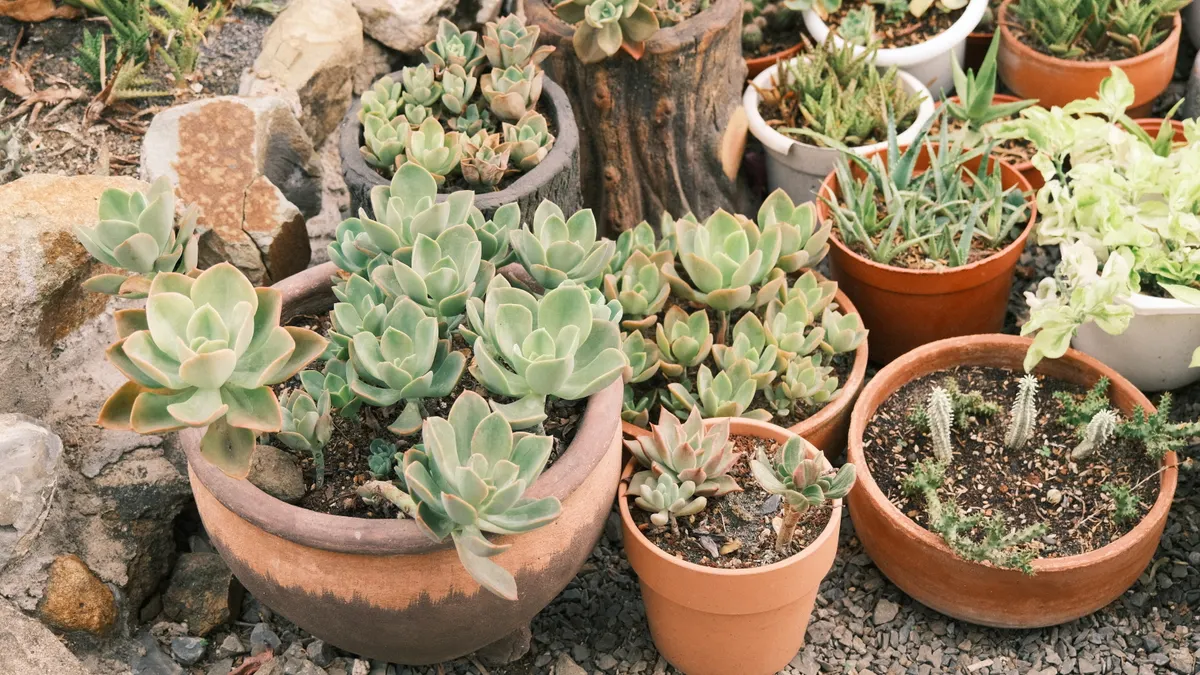
Which succulents, agaves, and grasses are the safest bets for a container depends on the pot, the climate, and how much care you want to give them. In container culture, stability beats novelty.
Here is how the main groups differ:
Succulents. These are the easiest entry point. Sedums, hens-and-chicks, and many echeverias tolerate gritty soil and sparse watering. Their drawback is obvious: they scorch or rot faster than people expect if the pot has poor drainage or the mix stays wet after rain. They are not for anyone who likes to “top up” the pot every day.
Agaves. Smaller agaves make striking container anchors, especially in wide, low pots. They bring a sculptural look that few plants can match. The drawback is that many agaves need more space than a beginner expects, and the spines or sharp leaf tips make them a bad choice for narrow paths, play areas, or cramped balconies.
Compact grasses. Blue fescue and similarly small ornamental grasses soften hard container edges and handle heat better than many flowering plants. Their downside is that they can look tired if the pot is too small or the crown dries out repeatedly. They are not for a tiny pot that tips over in wind.
Dwarf shrubs. Compact rosemary and dwarf lavender are useful if you want structure and fragrance. They prefer bright sun, sharp drainage, and a pot that dries between waterings. The drawback is sensitivity to wet feet; they are not the right choice for heavy soils or pots with saucers that hold water.
The most useful rule is this: if a plant’s label talks more about “well-drained soil” than “rich soil,” it is often a better xeriscape container candidate. That does not make it foolproof. It only means the plant is more likely to forgive the dry, fast-changing conditions of a pot.
Container drainage, pot size, and the potting mix that keep roots alive
Good drainage, a pot at least 12 inches wide for medium growers, and a mineral-heavy potting mix matter more than the plant tag. Most failures in xeriscape containers begin below the surface.
Drainage is non-negotiable. A hole at the bottom of the container lets extra water escape before roots sit in it. Decorative cachepots can work only if the inner growing pot drains freely and never stands in runoff. A saucer is fine in a dry climate if you empty it after watering; it is a problem if it becomes a reservoir.
Pot size is the next constraint. Small pots, especially 6- to 8-inch containers, dry quickly and limit root growth. Large pots hold moisture longer, which can help on a hot patio but can also keep the root zone wet too long if the mix is dense. For many xeriscape plants, a 10- to 14-inch pot is a practical middle ground, with larger containers reserved for agaves or shrub-like specimens.
The potting mix should be fast-draining, not garden soil pasted into a container. A commercial cactus-and-succulent mix works for many plants, but even that can benefit from added mineral material like pumice, perlite, or coarse sand, depending on the plant. The goal is a mix that resists compaction and lets water pass through instead of hanging around the roots. For general guidance on container drainage and potting practice, see the University of Minnesota Extension and the USDA NRCS Plant Materials guidance on soil and water behavior in containers.
Terracotta pots help because the clay walls breathe and lose moisture faster. That can be an advantage for rosemary, lavender, and many succulents. The drawback is that terracotta also dries more quickly, so it can become too thirsty in windy, full-sun spots. Ceramic planters with glazing hold moisture longer and can buffer heat a bit, but they may be too slow-drying for plants that hate wet roots. Either type can work; the plant and the climate decide which is the better fit.
How to plant xeriscape containers so they do not fail in month two
Planting them in a coarse, breathable mix and watering deeply once after planting gives them the best start. The first month matters more than the label, because a plant that is settling in can still fail if the roots never contact the new soil properly.
Use this planting sequence:
- Choose the container and check the hole. Use a pot with at least one drainage opening and enough width for the plant plus 1 to 2 inches of extra space on each side. That prevents a root-bound look and gives room for top dressing.
- Add a thin base layer of mix. Put in enough soil so the plant sits at the same depth it grew in the nursery pot. Burying the crown invites rot.
- Set the plant and backfill with a gritty mix. Fill gaps gently and tap the pot once or twice to settle the soil, not compact it hard.
- Top with gravel or coarse mulch only if needed. A thin layer can reduce splash and keep the surface tidy, but do not bury succulent crowns or stems.
- Water slowly until it drains out the bottom. That first soak settles the mix around the roots. After that, let the container dry according to the plant type and weather.
- Place the pot where it gets the right sun for the first week. A newly planted agave may tolerate full sun later, but a fresh transplant can do better with a short adjustment period in bright shade.
A major mistake is overpotting. A huge decorative planter with a tiny plant looks elegant, but the extra soil stays wet too long and can stress roots. Another mistake is adding a thick layer of rocks at the bottom. That does not improve drainage; it can trap water in the root zone instead of moving it away.
How often should xeriscape pots be watered?
Xeriscape pots should be watered only after the mix has dried enough for the plant type, which is often every few days in heat and less often in cool weather. There is no fixed calendar that works across patios, pots, and seasons.
A useful rule is to check the top 1 to 2 inches of mix, then decide based on the plant group:
- Succulents: water when the mix is dry well below the surface, not just dusty on top.
- Agaves: water sparingly once established; they resent frequent small drinks.
- Compact grasses and dwarf shrubs: water more regularly than succulents, but still let the mix dry partway between soakings.
Heat changes everything. A black plastic pot in direct afternoon sun can dry much faster than a terracotta pot in morning shade. Wind matters too. A breezy balcony can empty a container in far less time than a sheltered courtyard. That is why “once a week” is not a real answer for xeriscape container plants.
If the plant wilts in the middle of a hot day and recovers by evening, that does not always mean it needs more water. Some xeric plants pause in heat. If the leaves stay limp overnight or the soil is bone dry several inches down, then watering is overdue.
The wrong habit here is small, frequent splashes. That encourages shallow roots near the surface and leaves the lower root zone dry. Deep, infrequent watering is usually better for xeriscape containers because it reaches the full root ball and then gives the mix time to breathe.
The container mistakes that cost the most
The biggest container mistakes are using thirsty plants, poor drainage, and the wrong pot material for the light you have. Those errors cost plant health, time, and replacements.
The first mistake is choosing a plant for appearance alone. A silver-leaved succulent may look perfect, but if the pot is too deep and heavy with moisture, the plant can decline within weeks. The fix is to match the plant to the container, not the other way around.
The second mistake is assuming all drought plants want the same treatment. They do not. A rosemary in a glazed ceramic planter behaves differently from a sedum in a terracotta bowl. One wants slightly more root room and a careful watering rhythm; the other wants faster drying and less fuss. A mixed pot can work, but only when all the plants share similar moisture needs.
The third mistake is ignoring heat stress in containers. Roots in pots are exposed on all sides, and a dark pot on a concrete slab can become punishing by midsummer. If the pot bakes, move it, raise it on feet, or switch to a lighter-colored or more breathable container.
The fourth mistake is crowding. A packed arrangement looks full for two weeks and then turns into a root-bound tangle. Leave room for air movement and for the plant to grow into the shape it was meant to have.
The final mistake is thinking xeriscape means no maintenance. It means less water, not zero attention. Pots still need seasonal cleanup, occasional repotting, and a watering rhythm that responds to weather instead of habit.
The best use for xeriscape container plants is a hot, bright spot where a bed would be awkward, such as a patio, balcony, entryway, or rooftop. That is also why the topic belongs in a broader xeriscape container and small-space gardening plan: the container is the system, not just a decorative holder.
What plants do well in dry pots?
Succulents, smaller agaves, compact grasses, and drought-tolerant dwarf shrubs do best in dry pots. They handle fast drainage and short dry spells better than thirsty annuals or lush foliage plants. The best choices stay compact and do not need constantly damp soil, which is the main challenge in containers.
Do containers dry out faster in xeriscaping?
Yes, containers dry out faster than in-ground xeriscape beds. Pot walls, wind, sun, and limited soil volume all speed up moisture loss. A 10-inch pot on a sunny patio can dry much faster than a planted bed nearby, so watering decisions need to follow the container, not the calendar.
How often should xeriscape pots be watered?
Water when the mix has dried enough for the plant type, not on a fixed schedule. Succulents usually want longer dry intervals than grasses or dwarf shrubs, and hot weather can shorten the gap a lot.
Drafted with AI; not yet reviewed by a person.