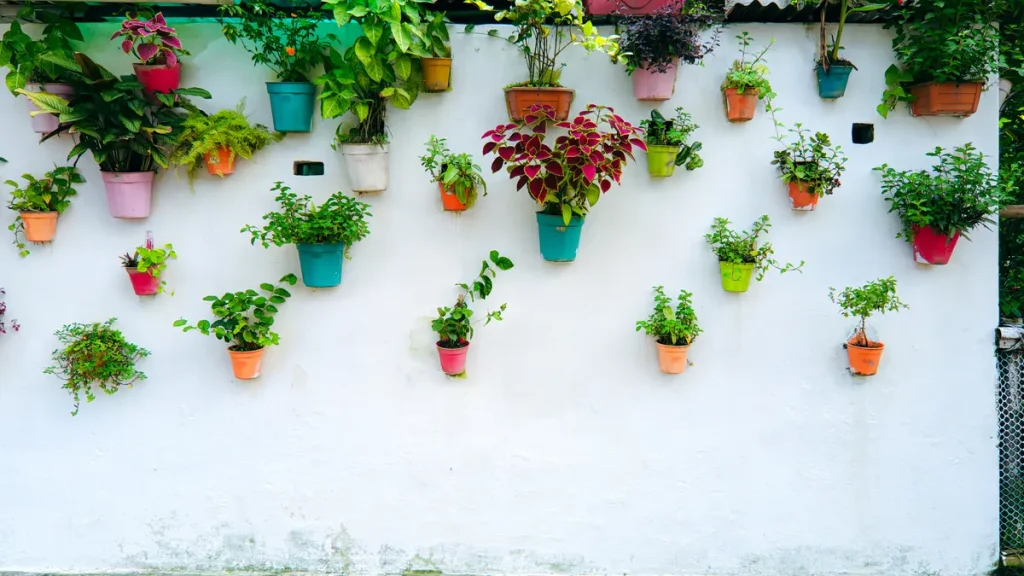
Last updated: October 24, 2026
Quick Answer: Keep xeriscape plants alive on hot retaining walls by matching the plant to the pocket depth, using drip irrigation, and mulching 2 to 3 inches deep. If the wall pocket is under 8 to 10 inches deep, direct planting is much harder to maintain.
Key Takeaways
- Retaining walls make a thin growing strip that behaves differently from an open bed.
- Check pocket depth, sun exposure, and where water actually reaches before planting.
- Choose compact, heat-tolerant perennials with modest root needs for wall pockets.
- Slow drip watering and mulch help keep roots from drying out in hot pockets.
Hot retaining walls dry out plant roots fast, so the fix is not “more drought-tolerant plants” alone — it is better root-zone moisture control, less reflected heat, and smarter planting pockets. The first job is to understand retaining wall planting conditions: thin soil, wall-bounced heat, wind, and runoff that can either flood or strip the little moisture the plants get. This guide to How to Keep Xeriscape Plants Alive on Hot Retaining Walls focuses on those limits in practical terms.
Why retaining wall planting conditions are so harsh
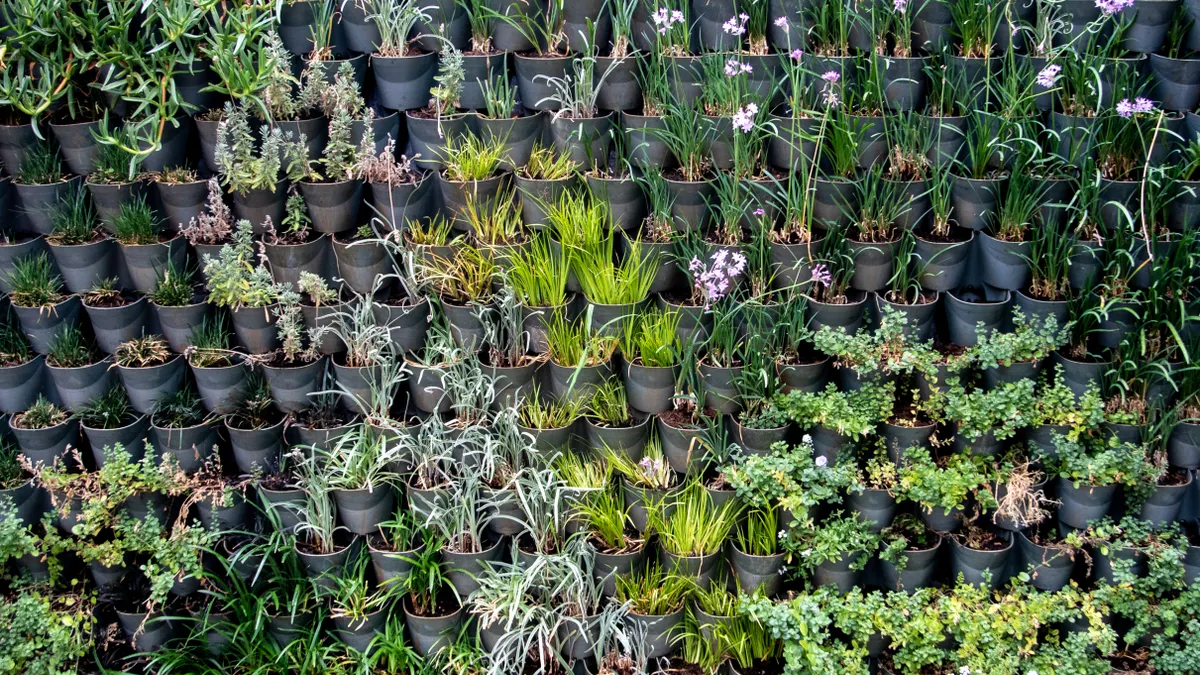
Retaining walls create a narrow growing strip that behaves nothing like an open bed. Heat-reflective stone, concrete block, and masonry can push daytime temperatures up around the plant crown and dry the soil from both the top and the side. On a sunny south- or west-facing wall, the wall itself acts like a radiator by late afternoon, which is why a plant that survives in a flat xeriscape bed can wilt in a wall pocket.
The biggest stress is root-zone drying. In a conventional bed, roots can spread into cooler, deeper soil. In a retaining wall pocket, the root ball may sit in 6 to 12 inches of mix with little buffering. That means the surface dries quickly, and the plant can lose water faster than its roots can replace it.
This is why some plants fail even when the label says “drought tolerant.” A young heat-tolerant perennial still needs time to establish roots, and a shallow pocket on a hot wall gives it almost no margin for error. If the wall is capped with light-colored stone, expect stronger reflection than on a darker wall. If the wall is tall, wind exposure adds another layer of drying because moving air strips moisture from leaves and soil.
The reader who will struggle most here is the one trying to cram too many plants into narrow pockets. That usually makes the problem worse, because crowded roots compete for the same thin layer of water. The goal is not to force a dense planting. It is to create enough soil volume, shade, and irrigation control for a few plants to live.
What to do before planting anything
Start by checking the pocket depth, the wall’s exposure, and where water actually reaches. A retaining wall pocket that is less than 8 inches deep behaves very differently from one with 12 to 18 inches of soil. If the pocket is shallow, choose smaller plants or accept that the wall will hold only a few specimens, not a full border.
Next, look at the wall face at midafternoon. If it feels hot to the hand or throws strong glare, that is a heat-reflection problem, and the planting plan needs more shade and more frequent moisture checks. Also look for runoff paths after watering or rain. Water that hits the wall and runs away will not help the roots; water that pools against the stem can rot the crown.
Use this sequence:
- Measure pocket depth and width with a tape measure. If the space is under 12 inches wide, plan on one plant per pocket or skip the pocket entirely. The result you want is enough room for the root ball without crowding the wall face.
- Check sun exposure at two times: midmorning and late afternoon. A west-facing wall with direct sun after 2 p.m. usually needs the toughest plant choices and the most careful watering. The result you want is to know which side of the wall cooks longest.
- Scratch the soil 2 to 3 inches down and see how fast it dries. If the top layer turns dusty in a day, you need mulch and drip emitters, not occasional hand watering. The result you want is a clear picture of how quickly the root zone loses moisture.
- Test drainage by watering once and watching for 10 to 15 minutes. If water disappears immediately, the pocket may need more organic matter; if it sits, the planting mix is too tight or compacted. The result you want is a soil that drains but does not vanish the first time it is watered.
- Decide whether the pocket can hold a plant in the ground or should hold a container inserted into the wall opening. If the soil depth is too thin, a container pocket can be the safer choice. The result you want is a planting system matched to the space, not forced into it.
This step matters because the wrong setup can kill a plant faster than the wrong species. If the pocket is tiny and the wall is blazing hot, even a good perennial may struggle unless the planting medium and watering method are controlled.
Which xeriscape plants actually hold up in hot wall pockets?
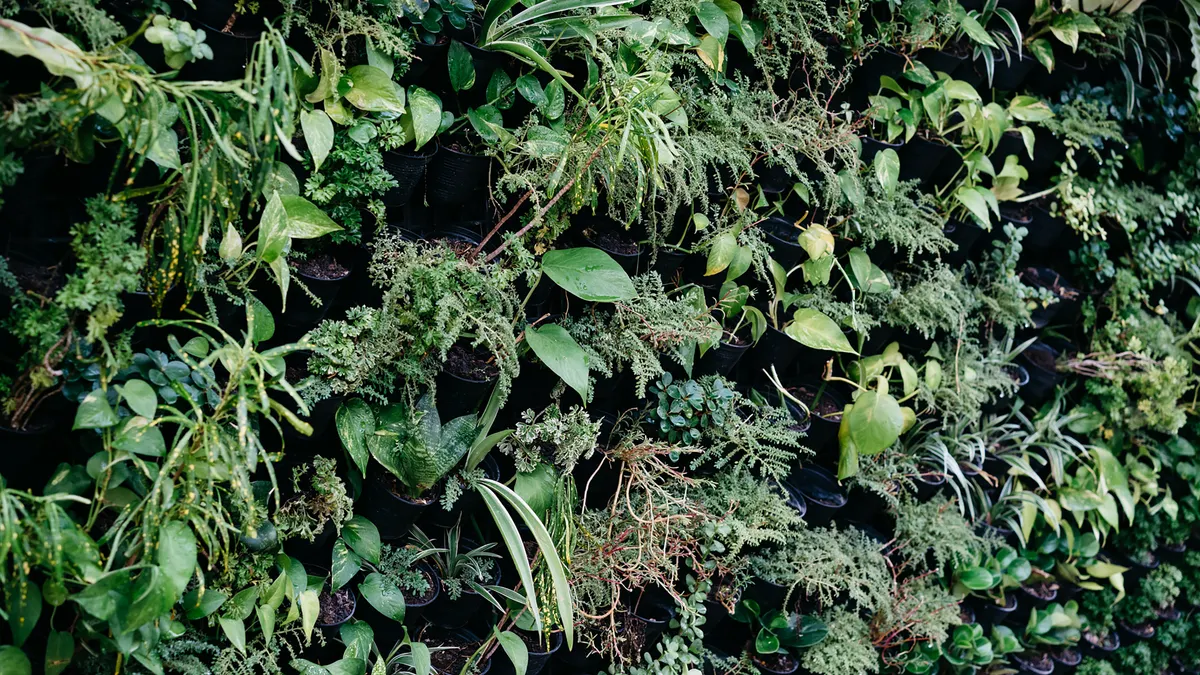
Choose heat-tolerant perennials with small root demands, not tall plants that need a deep bed. The best candidates for hot retaining walls are usually compact, sun-tough perennials that can tolerate reflected heat and periods of dryness once established. Look for plants that stay relatively low, handle lean soil, and do not need daily watering after the first season.
This is not the place for thirsty flowering plants that flop in heat or for anything with a large woody root system that wants more soil than the wall pocket can offer. It is also not the place for fast-spreading plants that will run into cracks or push against mortar joints. Keep the mature size modest. In a tight wall pocket, a plant that matures at 12 to 18 inches tall is usually a safer bet than one that wants 3 feet of spread.
A practical filter:
- Choose species or cultivars labeled for full sun and heat.
- Favor clumping habits over running habits.
- Prefer silver, narrow, or small leaves, which often handle reflected heat better.
- Avoid plants that collapse if the top inch of soil dries for more than a day or two.
If the wall faces south or west, the plant should be able to take afternoon heat without a lot of leaf scorch. If the pocket is shaded by an overhang or nearby structure, you can widen the plant list a little, but do not ignore wall heat entirely. Masonry still bakes the root zone even when the leaves are not in full sun.
The wrong plant in the right irrigation setup is still the wrong plant. A compact heat-tolerant perennial in a 10-inch pocket can thrive; a lush, moisture-hungry border plant in the same pocket usually becomes a weekly rescue project. That is why xeriscape plant selection matters as much as watering.
How do you keep the roots from drying out?
You keep the roots from drying out by irrigating the root ball slowly and keeping the soil surface covered with mulch. On hot retaining walls, a quick splash of water is not enough because the moisture may only wet the top layer and never soak into the full root zone. The plant needs a steady, targeted supply right where the roots sit.
Drip emitters are the simplest way to do that in a narrow wall pocket. Place emitters near the root ball, not against the wall face and not several inches away where water will miss the plant. In many small pockets, one or two low-flow drip emitters are better than a spray or a bubbler because they reduce runoff and reduce splashing against the wall.
Mulch matters more here than in a cooler bed. A 2- to 3-inch layer of mulch slows evaporation, shades the soil, and softens temperature swings. Keep it a couple of inches back from the crown so the stem does not stay wet. Organic mulch is usually easier to work with than bare stone in these pockets because exposed stone stores and throws off heat.
Water deeply enough that the moisture reaches below the first few inches. Then wait until the top layer starts to dry again before rewatering. In the first season, that may mean checking every few days during hot weather. Once established, the schedule can stretch out, but a wall pocket should still be checked more often than an open xeriscape bed.
A common mistake is watering little and often from the surface. That encourages shallow roots, and shallow roots are the first to fail in heat. Another mistake is setting the emitter too close to the wall so the water simply follows the masonry or disappears into cracks. The fix is simple: place the drip where the roots are, not where it is easiest to run tubing.
For a broader strategy that includes roofs, walls, and slopes, link this page to the xeriscape roof, wall, and slope protection hub.
How to plant in a wall pocket without shocking the plant
Plant in mild weather, backfill with a loose mix, and water immediately so the root ball settles without air gaps. A hot retaining wall is not the best place to plant at midday in midsummer. Early morning or an overcast day gives the plant a better chance to recover before it faces reflected heat.
If the pocket is in the wall itself, loosen the roots gently and set the plant at the same depth it grew in the nursery container. Burying the crown invites rot; planting too high exposes roots to drying. Press the soil in by hand, not with your foot, so you do not compact a tiny root zone into a brick. If the site allows it, water once to settle the soil, then top off any sunken spots with more mix.
If the pocket is really a container opening, use a stable pot or insert that will not overheat as fast as thin plastic. A container pocket can work well when the wall opening is too small for direct planting, but it needs drainage and monitoring. A pot that dries in a day is a liability if nobody will check it.
For the first 2 to 4 weeks, watch for stress signs: leaf curl, dull color, and wilting in late afternoon. Repeated collapse means the pocket is too hot, too shallow, or not holding enough moisture. Fix the planting conditions before adding more plants.
What mistakes kill wall plants fastest?
The fastest killers are shallow watering, overcrowding, and choosing plants that need cooler soil than the wall can give them. These mistakes are expensive in a wall pocket because there is so little room to recover.
Overcrowding looks attractive on day one and miserable by midseason. Too many plants mean root competition and less airflow, which can make heat stress worse. In a narrow strip, one good plant often outperforms three struggling ones.
Ignoring wall material is another problem. A dark, heat-storing wall and a light, heat-reflective stone wall behave differently, but both can overheat the root zone. If the wall is masonry and faces afternoon sun, assume the site is harsher than it looks.
Using the wrong mulch is a quieter mistake. A thin dusting of mulch does little. A thick mound against the stem can trap moisture and rot the crown. Keep the mulch even and modest.
The last mistake is treating the wall pocket like a regular garden bed. It is not. It has less soil, more heat, and less forgiveness. If the planting site cannot be improved with deeper soil, shade, or drip placement, the honest choice is to reduce the plant count or use a different structure.
When should you give up on direct planting and use a container pocket?
Use a container pocket when the wall opening is too shallow, too hot, or too small to support a root ball in real soil. If the pocket offers less than 8 to 10 inches of effective depth, or if it bakes from reflected heat all afternoon, a direct planting may fail no matter how carefully it is watered.
A container gives you control over the soil mix, drainage, and root volume. That can be the difference between a plant that limps along and one that actually establishes. The trade-off is that containers dry faster than ground soil, so they need more regular checks and reliable drip emitters.
This is the right choice when the wall is already built and the opening cannot be changed. It is also the safer choice when the site has severe heat reflection from stone or concrete and no nearby shade. What it is not for: anyone wanting a once-a-week watering schedule in peak heat. A wall pocket container usually wants closer attention, not less.
If the planting is part of a larger wall project, a long-term fix may be structural: add soil depth where possible, widen the pocket, or change the material that is reflecting the most heat. Those changes are outside the scope of a quick planting job, but they solve the root problem better than replacing dead plants every season. For structural planning, consult a qualified retaining wall professional or landscape contractor, and review guidance from the University of Arizona Cooperative Extension and USDA NRCS.
Why do plants fail near retaining walls?
Plants fail near retaining walls because the wall makes the root zone hotter and drier than the rest of the landscape. Heat reflection, thin soil, wind, and runoff all work against the plant at once. In a small pocket, roots cannot spread far enough to find cooler moisture, so even a drought-tolerant plant can collapse under repeated stress. According to the University of California Agriculture and Natural Resources, reflected heat and limited rooting space are common causes of plant stress in harsh sites.
What grows in hot wall pockets?
Compact heat-tolerant perennials with modest root systems do best in hot wall pockets. The safest choices are plants that tolerate reflected heat, lean soil, and narrow root space without needing constant moisture. Large, thirsty, or fast-spreading plants are poor matches for these conditions and usually outgrow the space. The Colorado State University Extension also notes that matching plant size to site limits is key in xeriscape planting.
How do you water plants on a retaining wall?
Water plants on a retaining wall with drip emitters aimed at the root ball, then mulch the soil to slow evaporation. Slow, targeted watering works better than splashing the surface because it reaches deeper roots and reduces runoff. In hot weather, check the pockets more often than a normal bed, since wall heat can dry them quickly.
Drafted with AI; not yet reviewed by a person.