Last updated: September 10, 2026
Key Takeaways
- Dig a hole about 12 inches deep and fill it with water.
- The first 12 months matter more than the label on the plant.
- In 18 to 24 months, that turns into crowding, poor airflow, and pruning that erases the plant’s shape.
- It assumes you already know your general climate zone and have a site with at least 6 hours of direct sun.
Six inches. Then water. That quick test tells you more than a glossy plant tag ever will.
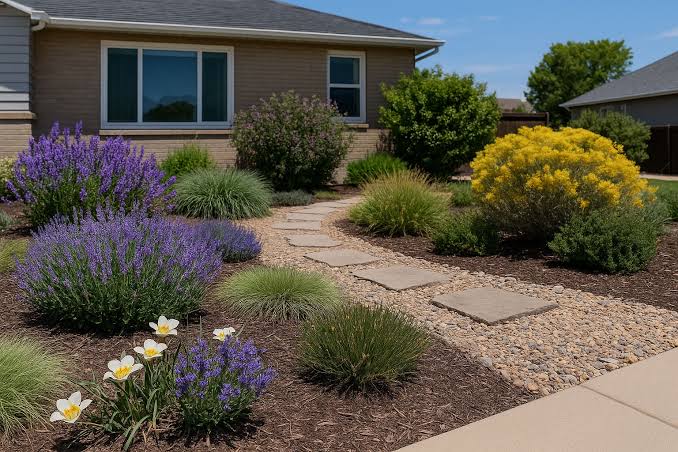
For native plants xeriscaping hot, dry climates, the winners are the plants already built for the local rain pattern, soil type, and sun load. Think drought-tolerant natives with deep roots, smaller leaves, and a growth habit that fits the bed — plants that can get by on far less supplemental water after they settle in, not plants that merely survive neglect for a few weeks.
Who this works for — and who should do something else
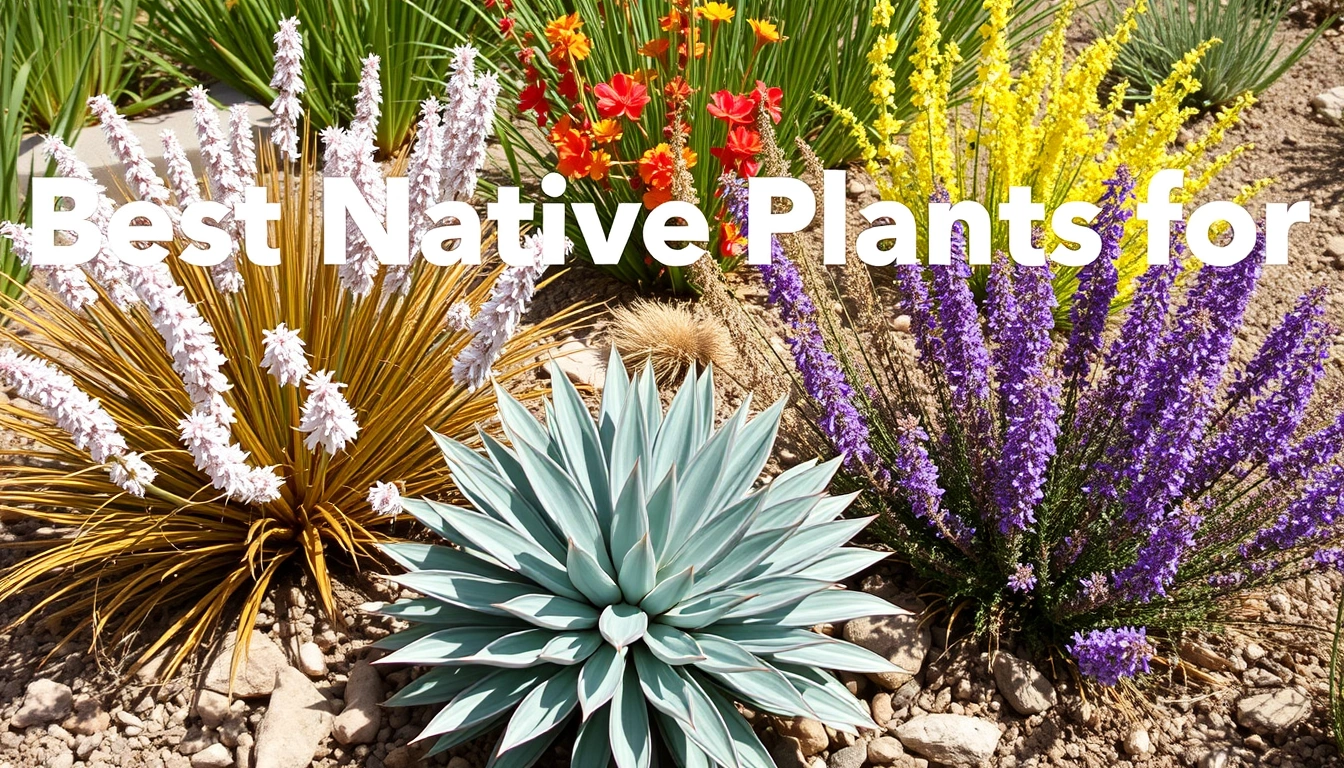
Homeowners in hot, dry regions get the most out of this approach when they want less irrigation, less mowing, and a yard that still looks intentional after July. It assumes you already know your general climate zone and have a site with at least 6 hours of direct sun. And it also assumes you can water new plants regularly during their first 1–2 growing seasons while they establish.
I would not treat native xeriscaping as a cure-all for every dry yard. Deep shade, standing water after rain, badly compacted soil, or a homeowners’ association that demands turf call for a different plant mix or a different layout entirely. Same story if you expect a native plant to act like a clipped hedge from day one. Most xeric natives are not precision shrubs; they’re tougher, looser plants. Honest trade-off.
The biggest mistake I see is assuming “native” automatically means “low water.” It doesn’t. A creek-edge native still wants moisture. A desert plant can still fail in heavy clay with lousy drainage. So the better question is not “Is it native?” but “Is it native to the kind of habitat this bed actually has?” As Texas A&M AgriLife Extension notes, native does not automatically equal drought tolerant, so if you are unsure, consult a local extension professional or native plant specialist before you buy.
For this article, I’m focusing on broad, widely used native plants for native plants xeriscaping hot, dry climates in the western and southern U.S., especially desert margins, chaparral, prairie, and other low-rainfall zones. Local native plant societies, state extension services, and botanical gardens can help confirm exact species for your zip code, and the Lady Bird Johnson Wildflower Center’s native plant database is a solid starting point, as are state extension publications from places like Arizona, New Mexico, Texas, Nevada, and California.
Which native plants fit native plants xeriscaping hot, dry climates?
Shrubs, perennials, grasses, and succulents are the most useful picks here. They match the sun, soil, and available space instead of fighting all three. My short list starts with these types of plants because they offer a good mix of drought tolerance, structure, and wildlife value:
- Apache plume (Fallugia paradoxa): a loose, airy shrub for full sun and lean soil. It handles heat well and brings a long season of interest with white flowers and feathery seed heads. Drawback: it can look sparse in very formal landscapes and needs room to move. Not for people who want a tight, evergreen screen.
- Desert willow (Chilopsis linearis): a small tree or large shrub with trumpet-shaped flowers and an open canopy. It’s useful where you need light shade without high water use. Drawback: it drops leaves in colder months and can get leggy if crowded. Not for narrow side yards or tiny foundations beds.
- Texas sage / Texas ranger (Leucophyllum frutescens): a classic heat-and-reflection shrub for alkaline, sunny sites. It handles reflected heat from walls and paving better than many ornamentals. Drawback: it hates wet feet and can rot in poorly drained soil. Not for irrigated lawns or low spots.
- Red yucca (Hesperaloe parviflora): a tough, architectural perennial with tall flower spikes and narrow leaves. It is one of the most forgiving plants for hot exposure. Drawback: it is slow to fill space, so you need patience or repetition in the design. Not for people who want instant mass.
- Desert zinnia (Zinnia acerosa): a low, flowering subshrub that thrives in sun and lean soil. Drawback: it is easy to overwater and can vanish in heavy, rich beds. Not for mulched, heavily amended borders.
- Blackfoot daisy (Melampodium leucanthum): a small mounding perennial with white flowers and a long bloom season in the right setting. Drawback: it declines if the soil stays wet. Not for clay pockets or sites with automatic spray irrigation.
- Sideoats grama (Bouteloua curtipendula): a native warm-season grass for texture and movement. It’s useful where you want a prairie look rather than a shrub-heavy bed. Drawback: dormant grasses look brown for part of the year. Not for anyone who wants year-round green.
- Blue grama (Bouteloua gracilis): a low bunchgrass with a fine texture and low water demand once established. Drawback: it does not tolerate high traffic. Not for play areas or dog runs.
- Flame acanthus (Anisacanthus quadrifidus): a hummingbird magnet in hot sun. Drawback: it can get rangy and may need seasonal pruning. Not for tidy foundation designs.
- Opuntia species such as beavertail or other local prickly pears: excellent for extreme heat and reflected sun. Drawback: spines and glochids make them a poor choice near walkways, play areas, or narrow maintenance zones. Not for families who will brush past them.
I’d start with plants from your local ecoregion, then add structure plants like desert willow or red yucca to hold the design together. A garden built from 5 or 6 repeating species usually reads calmer and needs less water than one packed with 20 different plants. Less chaos. Better odds.
How do I choose the right native plant for my yard?
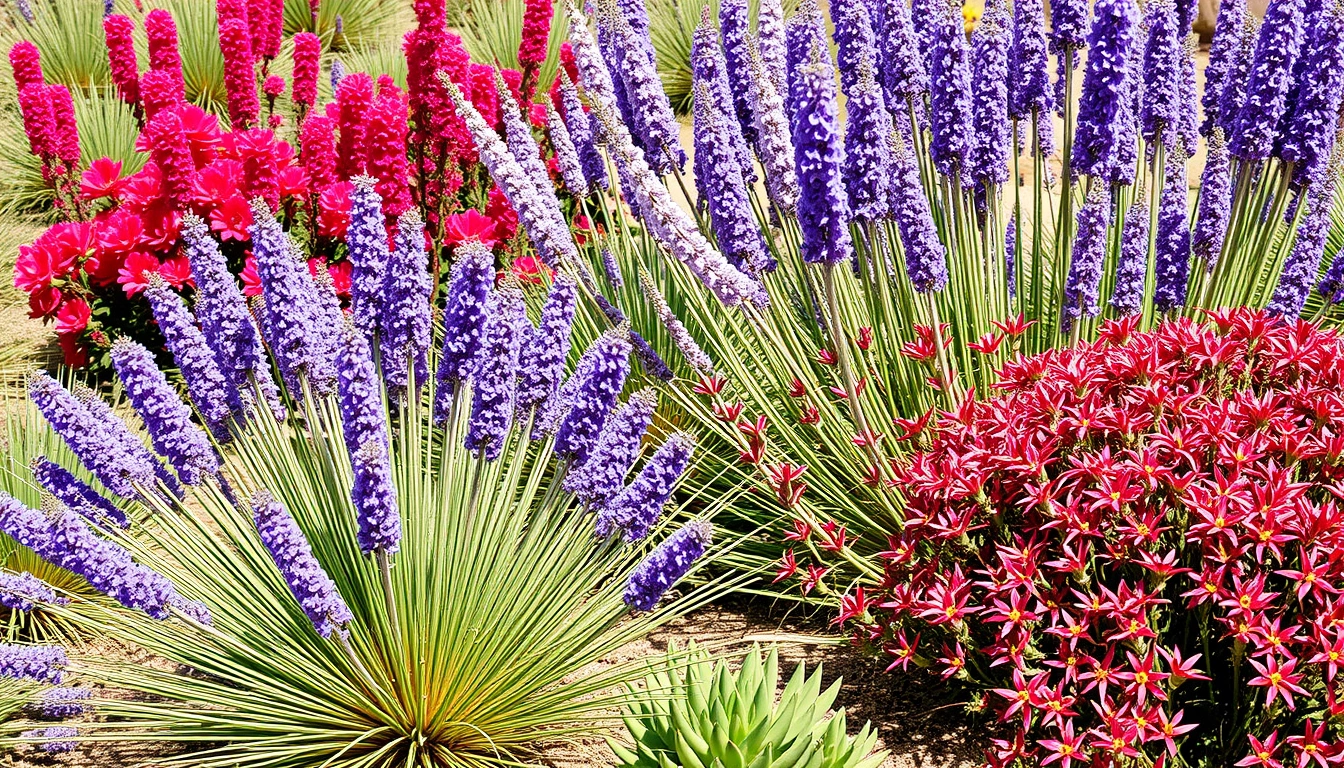
Pick by microclimate, not by plant tag alone, because the same species can thrive in one corner and flop in another. The simplest method is to match four things: sun, soil drainage, mature size, and water pattern.
- Map the sun for one full day. Mark areas that receive 6, 8, or 10+ hours of direct sun. Check that the spot gets the same exposure in midsummer, not just in spring. If a plant listed for full sun ends up shaded by a wall for half the day, expect fewer flowers and stretched growth.
- Check drainage with a simple hole test. Dig a hole about 12 inches deep and fill it with water. Let it drain, then refill it. If water is still standing after several hours, you have a drainage problem. Xeric natives like red yucca or blackfoot daisy usually fail in soggy soil even when they are drought tolerant later.
- Measure the space the plant must occupy at maturity. Read the mature height and spread on a reliable nursery tag or extension guide, then allow at least that much room, and often 10% to 20% more for air flow. If you are tempted to “just prune it smaller,” that is a warning sign. Many natives lose their natural form when forced into tight spaces.
- Decide how much irrigation you can keep during establishment. Most natives need regular deep watering for 1–2 growing seasons before they are truly xeric. Verify that your irrigation system or hose schedule can support that. If you cannot water at all, choose the toughest species available and plant in the best season, usually fall or early spring depending on your region.
- Match plant type to the job. Use shrubs for structure, grasses for texture, and ground-hugging perennials for edge softness. Verify that you are not asking a single species to do all three jobs. A plant that is drought tolerant but too tall for a border is still the wrong plant.
- Check soil pH only if your region is known for extremes. Many western desert soils run alkaline. Texas sage, desert willow, and many native grasses handle that well. If your soil is strongly acidic or heavily amended, verify compatibility before you plant. Overamending can be as bad as poor soil.
- Group plants by water need. Put the lowest-water plants in the driest zone, near gravel, walls, or high spots, and the slightly thirstier natives in a separate swale or bed. If your irrigation zones are mixed, you will overwater some plants and underwater others.
The right plants for native plants xeriscaping hot, dry climates are not the flashiest ones; they are the ones that solve a specific exposure problem without asking for much in return. On a south-facing stucco wall, I’d start with Texas sage, desert willow, red yucca, and local opuntia. For an open, prairie-like bed, I’d lean toward sideoats grama, blue grama, blackfoot daisy, and desert zinnia. In a narrow, formal strip, I’d skip anything that naturally sprawls.
What the standard advice leaves out about native xeriscaping
“Pick drought-tolerant natives” sounds tidy. It leaves out the part where soil and water management decide whether the planting succeeds. Xeriscaping is not the same thing as dumping gravel down and forgetting the timer. The first 12 months matter more than the label on the plant.
Mulch still matters, too. A 2- to 3-inch layer of shredded bark or coarse organic mulch helps stabilize soil temperature and cut evaporation. Keep it a few inches off the stems and crowns. Gravel mulch can work in hot, dry climates as well, but it reflects heat and can make some plants cook if the bed is poorly designed. That’s one reason desert willow and red yucca may thrive in open sun while a more tender native perennial struggles beside a rock wall.
Root behavior gets overlooked as well. A plant can be drought adapted because it sends roots deep, but that does not mean it wants constant shallow watering. Frequent sprinkles train roots to stay near the surface, which makes the plant weaker during heat waves. Deep, infrequent watering is the standard for established xeric natives: soak the root zone, then let it dry down.
I also want to be blunt about “native” versus “locally native.” A plant native to one part of the Southwest may be a poor fit two states over. A desert willow is a fine choice in many hot, dry climates, but it is not the answer everywhere. If a species is native to a wash, canyon bottom, or grassland edge, it may not love a flat clay lot with poor drainage. Habitat matters more than marketing language.
And choose for maintenance, not just water use. Flame acanthus feeds hummingbirds, but it may need pruning to keep form. Apache plume can be beautiful, though its airy habit is not a privacy hedge. Opuntia brings drama, but it is a bad pick beside a sidewalk where spines become a liability. A good xeriscape is not the one with the toughest plants; it is the one that still fits your life after the first summer.
When should I stop following the usual xeriscape advice?
Stop following the usual advice when the site is wetter, tighter, or more formal than the plants can handle. Pushing a dryland native into the wrong spot creates weak plants and more work.
Standing water after rain for more than a day: That means drainage is wrong for most xeric natives — fix grading or choose a different planting strategy before installing drought plants.
Heavy clay that stays sticky at 4 to 6 inches deep: That means roots may suffocate — use raised planting zones, widen the bed, or choose plants known to tolerate heavier soils.
Full shade for most of the day: That means sun-loving xeric species will stretch and thin — switch to shade-adapted natives instead of forcing desert plants into dim light.
Automatic spray irrigation that wets everything daily: That means many native xeric plants will stay too wet — convert to drip, widen the spacing, or separate the plants into a different zone.
Tight spaces under 3 feet wide: That means shrubs with a 4- to 6-foot spread will become maintenance problems — use smaller mounding perennials or a different design entirely.
High-traffic edges, dog runs, or walkways: That means spiny or brittle plants will cause injury or damage — skip opuntia and other sharp species and use softer-textured natives.
If any of those situations apply, “try harder” is the wrong answer. Change the planting plan. Xeriscaping works best when the site and the plant habit agree.
The mistakes people make with native xeriscaping
Overwatering after establishment is the biggest mistake. The payoff is shallow roots, weak stems, and plants that fail during the first prolonged heat spell. Better move: water deeply and less often, then reduce irrigation once the plant has filled its root zone.
A second mistake is mixing thirsty and dry-loving plants in the same bed. That creates a compromise that satisfies neither group. The fix is hydrozones, which means grouping plants by water need in the same irrigation zone.
Stuffing plants too close together because the bed looks empty on day one is another classic error. In 18 to 24 months, that turns into crowding, poor airflow, and pruning that erases the plant’s shape. I’d rather see a bed planted at 70% of its eventual mass with room for growth than a cramped patch that becomes a maintenance chore.
Choosing a plant for flowers alone is a fourth trap. Blackfoot daisy, desert zinnia, and flame acanthus all bloom well in the right conditions, but bloom does not excuse a bad site match. If the plant is wrong for the soil, flowers will be the first thing to fail.
Using rich compost everywhere is the fifth mistake. Some native xeric plants tolerate it, but many prefer lean soil. Too much amendment can create a “pot in the ground” effect, where water collects around the roots and stays