Last updated: September 10, 2026
Key Takeaways
- Spread wood mulch 2 to 4 inches deep.
- Once organic mulch covers soil by more than 5 inches, roots get smothered and air exchange drops.
- Water should sink in within a few minutes, not pool for 30 minutes.
- I’d go with 2 inches, not 4, and keep it off the stems.
Mulch is one of the few parts of xeriscaping that can either save water or quietly waste it. Pick the right xeriscape mulch, and evaporation drops, soil stays cooler, and weeds lose their advantage. Pick badly, and the material blows off, washes away in a storm, or bakes heat into plants that already live close to the edge. Brutal, but true.
Who this applies to, and what I’m assuming you already know
This applies to anyone building or maintaining a low-water landscape in a dry climate, especially around shrubs, succulents, ornamental grasses, native perennials, and desert-adapted trees. I’m starting from the idea that you already know the basic xeriscaping playbook: fewer thirsty plants, smarter irrigation, and bare soil covered with some kind of mulch instead of lawn-style ground cover.
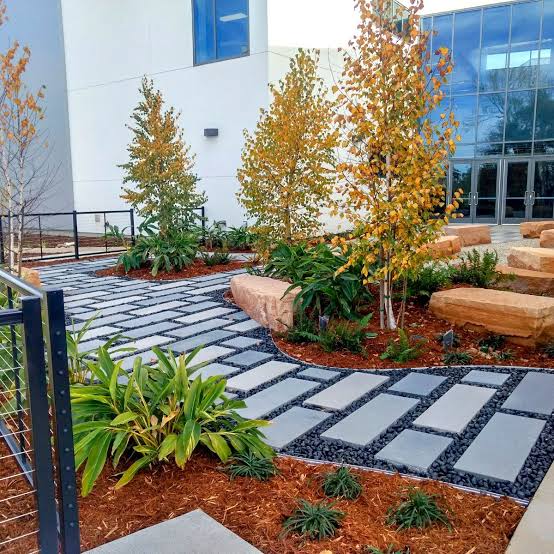
I’m also assuming you are working with typical residential beds, not a rain garden, a flood-prone wash, or a steep slope that erodes after a hard storm. Those sites change the mulch decision. In an ordinary bed, the answer is usually simpler: for many xeriscapes, a coarse mineral mulch is the most durable long-term choice, while coarse organic mulch can be the better choice in planting zones that need added soil improvement.
The first question is not “pretty or ugly.” It is “stable or unstable.” In a xeric setting, stability matters more than appearance because irrigation is usually infrequent and storms can hit hard and fast. A xeriscape mulch that stays put at 15 to 30 mph wind, sheds water without crusting, and does not need weekly top-offs is worth more than one that looks tidy for a month.
I would not use the same mulch everywhere. Under agaves and succulents, I lean mineral. Under young shrubs or native perennials that still need organic matter, I may use a thin layer of shredded bark or wood chips. That split approach is often better than trying to make one mulch do everything.
What is the best mulch for xeriscaping?
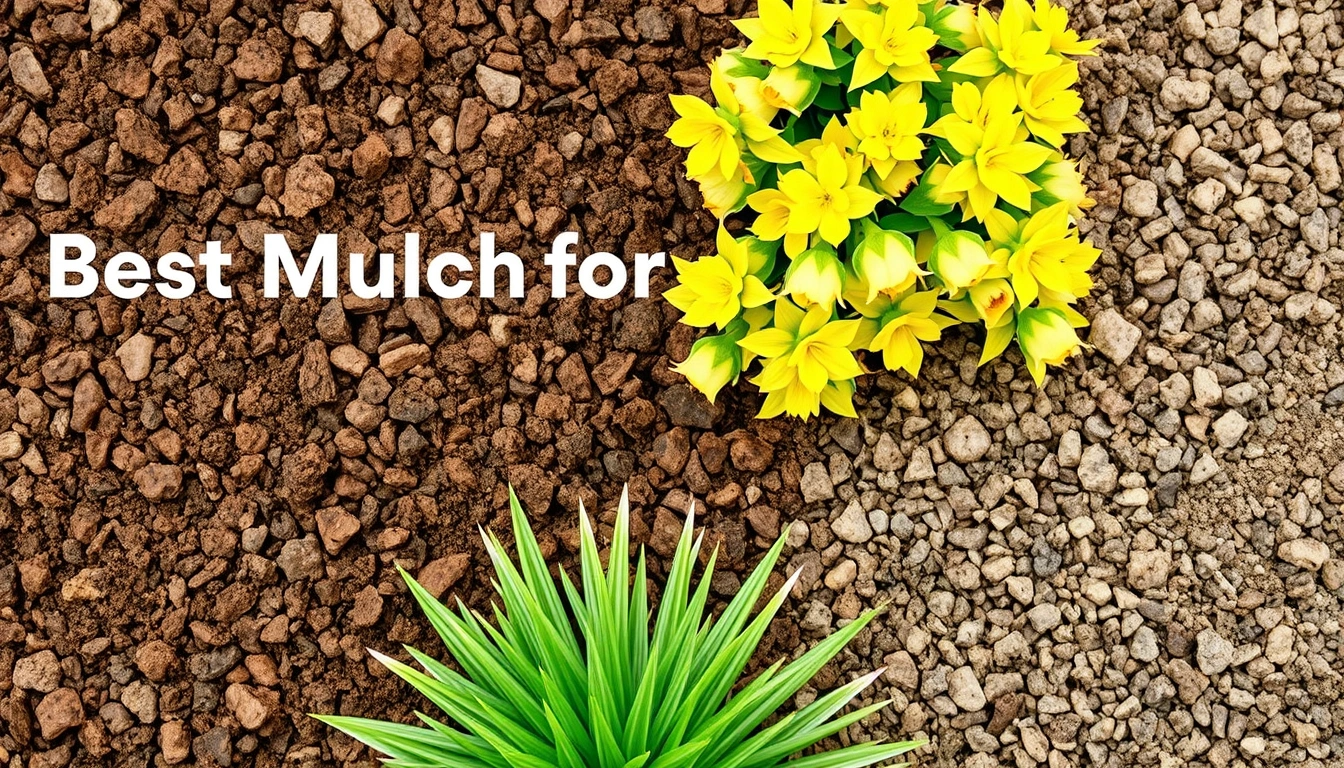
What is the best mulch for xeriscaping depends on the plant mix and site conditions, but a common choice is a 1/2-inch to 1-inch layer of crushed gravel, decomposed granite, or similar mineral mulch in the 3/8-inch to 3/4-inch size range. That choice lasts, stays in place better than fine material, and does not break down into a crust as quickly as smaller particles.
Mineral mulch is especially strong for desert plants, cactus beds, gravel gardens, and plantings where you want a clean surface and minimal organic decay. It also works well around established shrubs where you do not want extra nitrogen cycling from decomposing wood close to the crown. The trade-off is real: mineral mulch does not feed the soil the way wood does, and in hot climates some stone can radiate heat back into the bed. That makes it a poor fit for shallow-rooted plants that prefer cooler soil. The USDA and university extension guidance on mulching both emphasize matching mulch type to plant needs and climate.
If your xeriscape includes a lot of young plants, or you are trying to improve depleted soil, shredded wood mulch can be the better short-term answer. I mean arborist wood chips, bark chips, or shredded bark applied 2 to 4 inches deep, kept a few inches away from stems and trunks. Wood mulch moderates temperature better than stone and slowly adds organic matter, which is one reason extension services often recommend it for many landscape beds. Its weakness is that it decomposes, so it needs refreshment. It can also invite termites or fungal issues if piled against wood or kept wet against stems.
A generic article often says “use gravel” and stops there. That is too simple. Fine gravel, pea gravel, and polished river rock behave differently. Fine gravel can migrate and compact. Rounded pea gravel rolls underfoot and shifts around irrigation emitters. Large decorative rock can be too heavy to maintain and can create heat pockets. For many xeriscapes, a coarse, angular mineral mulch in a moderate size is the better compromise.
How do I choose mulch for xeriscaping without making a mess?
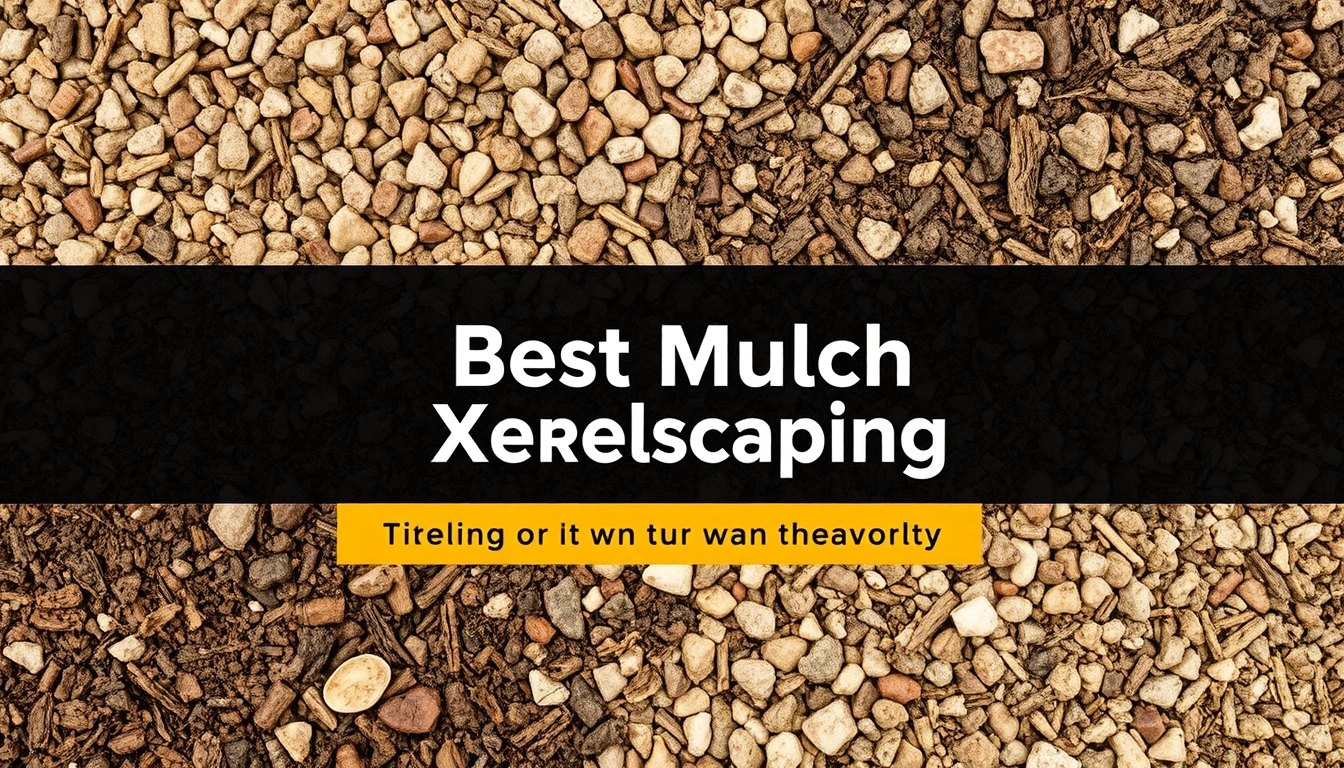
Choose xeriscape mulch by plant type, slope, wind, and irrigation layout, then pick a depth that matches the material. For most beds, I would use 1/2 to 1 inch of mineral mulch or 2 to 4 inches of coarse wood mulch, never both in a thick mixed layer on the same surface.
-
Match the mulch to the plant’s water behavior. Apply mineral mulch around drought-tolerant shrubs, cacti, succulents, and Mediterranean herbs. Apply wood mulch where roots need cooler, moister soil. Verify the plant crown stays dry. If mulch touches the stem, you have gone too far.
-
Check the particle size before buying. Aim for angular stone or coarse bark pieces roughly 3/8 inch to 3/4 inch for mineral mulch, and shredded or chipped wood with pieces large enough not to mat. Very fine material seals the surface. If it forms a crust after watering, it is too fine.
-
Measure the layer, not your guess. Spread mineral mulch about 1/2 inch deep in high-traffic or small beds, up to 1 inch in calmer areas. Spread wood mulch 2 to 4 inches deep. Once the soil vanishes under 5 inches of organic mulch, roots start to suffocate and air movement gets cut off.
-
Keep the root flare exposed. The root flare is the widened base where a trunk meets the roots. Leave a 2- to 4-inch bare ring around trunks and woody stems. If mulch is stacked like a volcano, pull it back immediately.
-
Check drainage before you commit. Water should sink in within a few minutes, not pool for 30 minutes. If it puddles, fix the grade or irrigation first. Mulch will not solve a drainage problem.
-
Use edging only if the site needs it. Steel, stone, or compacted edging helps where wind blows mulch out of beds or where gravel spills onto paths. If the edge is shallow and the material is fine, expect migration and regular cleanup.
-
Think about irrigation hardware. Drip emitters need access for inspection. Leave them visible at first and verify water reaches the root zone, not just the mulch surface. If emitters disappear under the layer, leaks and clogs are harder to catch.
-
Recheck after the first wind or storm. A good mulch bed still looks even after a 20-minute rain or a strong gust. If it drifts, exposes soil, or piles in corners, the size or depth is wrong.
What should I avoid in a xeriscape mulch?
Avoid mulch that either traps too much heat, breaks down too fast, or becomes a maintenance headache the minute the weather turns. That includes fine bark dust, grass clippings, dyed wood that you cannot identify by source, and most small decorative gravels in windy or sloped beds.
Dyed mulch is common in ornamental landscapes, but I would skip it in a xeriscape unless you have a specific aesthetic reason and know the source. The color itself is not the issue; the problem is inconsistency in particle quality and the fact that the mulch usually performs no better than a plain, coarse product. On function alone, it usually adds little.
I would also avoid rubber mulch in xeriscaping. It does not improve soil, it can look out of place among drought plants, and it can become a heat sink. For a play area it may have a role, but for a dry landscape bed it is usually the wrong tool.
Do not use shredded leaves as the main mulch in windy desert sites. They are excellent in some gardens, but they are too light for many xeric beds and can mat after irrigation. Likewise, avoid thin layers of bark dust or sawdust. Those materials can crust, shed water, and blow away.
One more caution: do not cover drip emitters with thick mulch and assume the system is still delivering water correctly. A layer that hides the hardware makes maintenance harder and can conceal a leak. If you cannot see where the water lands, you are guessing.
The mistakes people actually make with xeriscape mulch
The biggest mistake is using too much mulch. A 4-inch layer of stone or a 6-inch blanket of bark sounds protective, but it can trap heat, hide pests, and make it hard for water to reach the root zone. The better move is a measured layer: 1/2 to 1 inch for mineral mulch, 2 to 4 inches for coarse organic mulch.
The second mistake is choosing pea gravel because it looks neat. Pea gravel rolls, migrates, and gets kicked onto paths. On slopes, it can move with runoff. The better alternative is angular crushed rock that interlocks and stays put more reliably.
The third mistake is mulching against trunks. That creates a wet collar at the base of the plant and invites rot, pests, and decline. The correct approach is a bare ring of 2 to 4 inches around woody stems and trunks, with the mulch tapered away from the crown.
The fourth mistake is using wood mulch in a bed that already stays wet. In a poorly drained spot, organic mulch can keep the surface damp and encourage fungus gnats, rot, or a sour smell. If the bed drains slowly, fix the drainage or switch to mineral mulch.
The fifth mistake is thinking all rock behaves the same. Black lava rock, white marble chips, decomposed granite, and river rock each have different heat, stability, and maintenance profiles. If your site gets intense afternoon sun, very light or very dark stone may create more heat than you want. In that case, a mid-tone angular mineral mulch is usually safer.
When does the standard advice not apply?
The standard advice changes when the site is windy, sloped, newly planted, or irrigated with spray instead of drip. Those conditions change both the depth and the material.
Very windy sites: Use a heavier angular mineral mulch, not lightweight organic chips. Keep the layer closer to 1/2 inch than 1 inch. If wind still moves it, add edging or switch to larger aggregate.
Steep slopes: Skip loose pea gravel and fine bark. Use a coarser, more interlocking material, and consider erosion control mats under new plantings. If mulch is sliding downhill after a storm, the slope—not the mulch—is the first problem to solve.
New plantings: Young shrubs and perennials often need the temperature moderation of organic mulch for the first season or two. I’d use 2 inches, not 4, and keep it away from stems. Once plants are established, many xeric beds can transition to mineral mulch.
Spray irrigation: Overspray can displace light mulch and keep it too wet. If you are using spray heads, check for splash-out and crusting. Drip irrigation pairs better with most xeriscape mulches because it puts water where roots can use it.
Heavy clay soil: Clay holds water longer. On these soils, thick organic mulch can keep the surface too damp. A thinner mineral layer is often the better choice until drainage improves.
How do I install mulch so it actually works?
Install xeriscape mulch in a clean, even layer over weed-free soil, then verify that water still reaches the root zone. The job is more about restraint than volume.
-
Remove visible weeds first. Pull or cut weeds at the base and remove root mats where possible. If you mulch over active weeds, some will push through a 2-inch layer of bark or a 1-inch layer of gravel.
-
Water the bed once before mulching. Soil should be moist, not muddy. That helps you see existing depressions and compaction. If water sheets off the surface, aerate or amend before mulching.
-
Set irrigation and test it. Run drip lines for 10 to 20 minutes, or long enough to confirm moisture reaches the root zone. If water escapes the bed, adjust before covering anything.
-
Spread mulch evenly. Use 1/2 to 1 inch of mineral mulch or 2 to 4 inches of coarse organic mulch. Measure in a few spots with a ruler or trowel handle. If the layer varies by more than about an inch, level it out.
-
Pull mulch back from trunks and crowns. Leave 2 to 4 inches clear around woody stems and crowns. If you see material touching bark or burying the crown, move it.
-
Check the surface after irrigation. Water should pass through, not run across the top. If it beads and runs, the layer may be too fine or too deep.
-
Inspect after 24 to 48 hours. Look for exposed soil, washed-out areas, or mounds around emitters. If you find them, top up only the thin spots, not the whole bed.
A quick answer to the most common question
If you want the shortest possible answer, use coarse mineral mulch for most established xeriscapes and coarse wood mulch only where young plants need cooler, richer soil. That is the practical rule.
FAQ
Can I mix rock and wood mulch in the same xeriscape?
Yes, but use them in different zones, not blended together in one layer. Rock works better around desert plants and along paths. Wood works better around young shrubs and soil-building beds. A mixed layer usually looks messy and performs inconsistently.
Is landscape fabric necessary under mulch?
Usually no. In xeriscapes, fabric often causes more trouble than it solves because weeds root in the top layer and water movement gets worse over time. If you use it, expect maintenance later, not less.
How often should I refresh mulch?
Mineral mulch may only need occasional raking or topping off every few years. Coarse wood mulch usually needs replenishment sooner because it breaks down. Watch the actual depth instead of following a calendar.
Does mulch really reduce watering?
Yes, but only when the layer is the right material and thickness. A well-chosen xeriscape mulch slows evaporation and keeps soil temperatures steadier. It does not replace irrigation in the first year after planting.
What’s the safest all-around choice if I’m unsure?
For an established xeriscape, a coarse angular mineral mulch in a 1/2-inch to 1-inch layer is often the most forgiving default for dry climates. It is not perfect for every plant, but it is a practical general choice.
Further reading
For more on water-wise landscape design, see the xeriscaping guide, the drip irrigation basics, and the mulch calculator. For planting guidance by climate, the native plants directory can help you match mulch to species.
According to Colorado State University Extension, wood chips are often effective in landscape beds when kept at the right depth and away from trunks. The University of Arizona Cooperative Extension also provides region-specific guidance for arid-zone landscaping, while the USDA NRCS offers soil and conservation resources that support mulch decisions in dry climates.